




In Vitro Fertilisation (IVF)
What Is IVF?
In vitro fertilisation (IVF) is a fertility treatment that involves fertilising eggs with sperm in a laboratory to create embryos. These embryos are carefully cultured outside the body before being transferred to the womb.
IVF is suitable for a wide range of fertility concerns, including blocked fallopian tubes, unexplained infertility, or situations where sperm parameters are within the normal range.
Reciprocal IVF is an option for same-sex female couples, where one partner provides the eggs and the other carries the pregnancy. The process follows the same steps as a standard IVF treatment cycle.
How Does IVF Work?
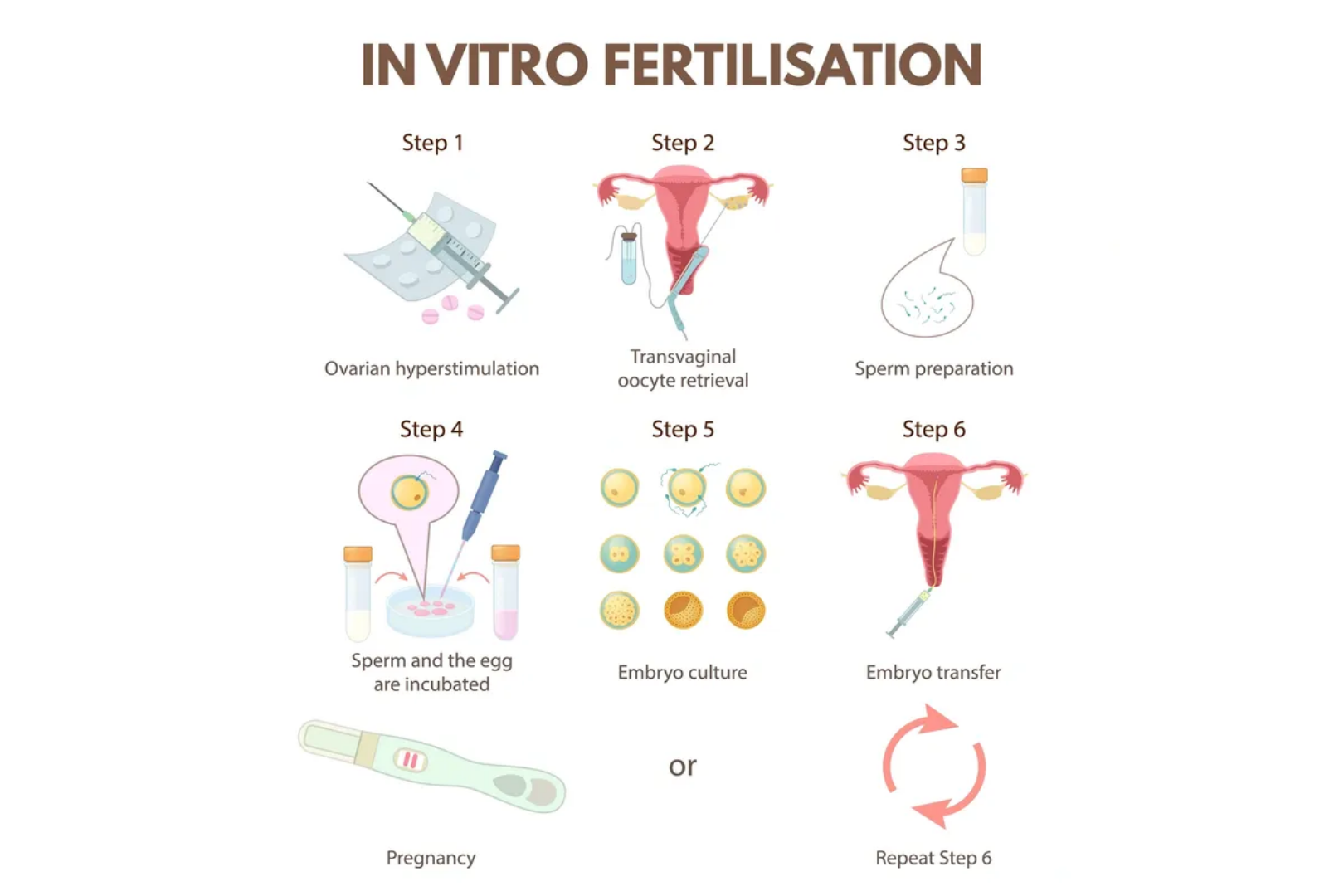
During IVF, the ovaries are stimulated with fertility medication to encourage the production of multiple eggs. These eggs are collected and placed in culture in the laboratory.
On the same day, a semen sample is produced and prepared to isolate healthy sperm. If frozen sperm is used, it will be thawed and prepared on the day of egg collection.
The eggs are then incubated with the sperm overnight. Any resulting embryos are cultured in the laboratory for up to five days before being transferred to the womb. High-quality surplus embryos can be vitrified (frozen) for future use.
When and Why Is IVF Necessary?
IVF can help individuals and couples who are struggling to conceive naturally. It is often recommended when other fertility treatments have been unsuccessful or when there are specific medical factors affecting fertility.
How Successful Is IVF?
At Bridge Clinic London, our multidisciplinary team is dedicated to supporting you at every stage of your fertility journey. Your treatment plan is always personalised to your individual needs, ensuring you receive the highest level of care and guidance.
It is important to remember that success rates can vary and may not always reflect individual circumstances or diagnoses. Our specialists will discuss realistic expectations with you in detail.
When Should You Consider IVF?
- Blocked or damaged fallopian tubes
- Male factor infertility
- Endometriosis
- Ovulation disorders
- Genetic conditions
- Previous fertility treatment failures
What Does IVF Entail?
- Required screening blood tests (minimum: Hepatitis B & C, HIV, and Rubella)
- A nursing consultation to:
- Teach medication administration
- Support you through the consent process
- Consultation with one of our embryologists
- Baseline ultrasound scan
- Ongoing stimulation scans
- Blood tests if required
- Egg collection procedure
- Conscious sedation
- Sperm preparation
- IVF insemination
- Embryo culture to the blastocyst stage (Day 5)
- Embryo transfer
- Pregnancy scan (if applicable)
- Trial embryo transfer (if required)
- Use of AI algorithms to assist in embryo quality assessment
If, for medical reasons, our clinical team recommends freezing all suitable embryos (for example, due to the risk of ovarian hyperstimulation syndrome, high progesterone levels, or a thin endometrium), a subsequent frozen embryo transfer cycle will cost £300.
Contact Us
Ready to take the first step towards parenthood? Contact us today to schedule a consultation with one of our fertility specialists. We are here to answer your questions and guide you through every step of your fertility journey.
- +44 7424 840356