




Sperm Freezing
Preserve Your Fertility for the Future
Sperm freezing is a fertility preservation option that allows individuals to collect, freeze, and store sperm for future use. Whether you are planning for the future, undergoing medical treatment, or facing circumstances that may affect fertility, sperm freezing can provide peace of mind and additional family-building options later in life.
At The Bridge Fertility, we offer sperm freezing as part of a comprehensive fertility preservation program, helping patients protect their reproductive potential and make informed decisions about their future.

What Is Sperm Freezing?
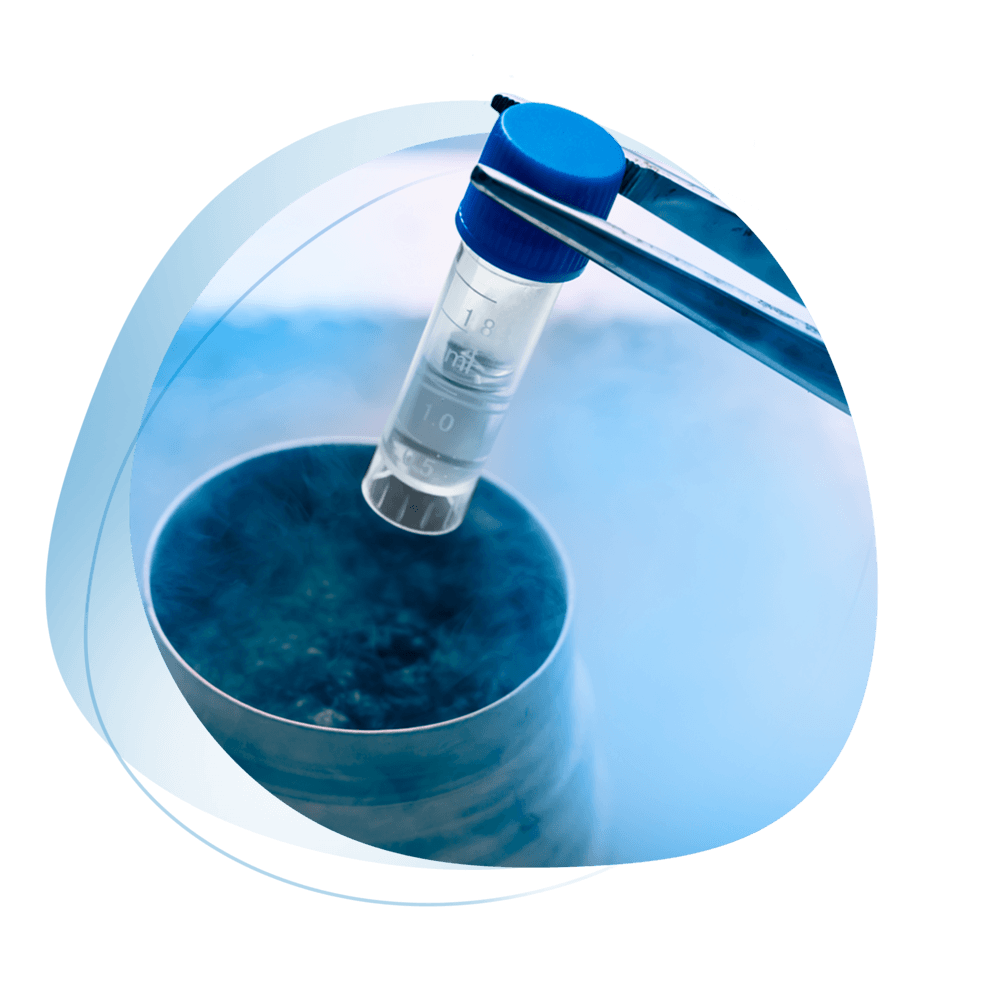
Sperm freezing, also known as sperm cryopreservation, is a process that involves collecting and storing sperm at extremely low temperatures for future use.
Once frozen, sperm can remain safely preserved for many years. When needed, the sample can be thawed and used as part of fertility treatment, including Intrauterine Insemination (IUI), In Vitro Fertilisation (IVF), or Intracytoplasmic Sperm Injection (ICSI).
Sperm freezing is a well-established fertility preservation technique that has helped many individuals maintain future reproductive options, including patients seeking donor or surrogacy pathways and individuals preserving fertility due to medical treatment.
Who May Benefit from Sperm Freezing?
Sperm freezing may be appropriate for individuals who:
- African and Caribbean women navigating fertility within cultural expectations
- South Asian women balancing family, cultural, and personal considerations
- Professionals choosing egg freezing for future planning
- Couples facing male factor infertility
- LGBTQ+ individuals and couples building families
- Patients seeking donor or surrogacy pathways
- Individuals preserving fertility due to medical treatment
By preserving sperm before fertility is affected, individuals may have more options available when they are ready to pursue pregnancy.
01
Initial Consultation
Your fertility specialist will review your medical history, reproductive goals, and any factors that may influence fertility preservation. This helps determine the most appropriate preservation strategy based on your individual circumstances.
02
Sample Collection
A semen sample is collected and assessed by the laboratory team. In some situations, alternative collection methods may be discussed if a semen sample cannot be obtained through ejaculation.
03
Laboratory Assessment
The sample is evaluated to assess sperm count, motility, and overall quality. This information helps guide future fertility treatment planning and establishes a baseline before freezing.
04
Freezing and Storage
The sperm is prepared and frozen using specialised cryopreservation techniques designed to protect sperm cells during the freezing and thawing process. The frozen samples are stored in secure cryogenic conditions until needed.
05
Future Use of Frozen Sperm
When you are ready to pursue pregnancy, frozen sperm can be thawed and used as part of a fertility treatment plan.
Depending on sperm quality and your individual circumstances, frozen sperm may be used with:
- Intrauterine Insemination (IUI)
- In Vitro Fertilisation (IVF)
- Intracytoplasmic Sperm Injection (ICSI)
Your fertility specialist will recommend the most appropriate treatment approach when the time comes to use your stored sample.
Benefits and Considerations
Sperm freezing offers several potential benefits, including:
- Preserving fertility before medical treatment
- Protecting future reproductive options
- Providing flexibility for future family planning
- Supporting fertility treatment when needed
- Offering reassurance during uncertain circumstances
While sperm freezing can be highly effective, future pregnancy outcomes depend on many factors, including sperm quality, partner fertility, age, and the fertility treatment used.
Risks and Considerations
Sperm freezing is considered safe and has been used successfully for decades.
However, there are some important considerations:
- Not all sperm survive the freezing and thawing process
- Sperm quality can vary between individuals
- Future pregnancy cannot be guaranteed
- Long-term storage and future fertility treatment may involve additional costs
Your fertility specialist can discuss the potential benefits and limitations based on your individual circumstances.

Why Choose The Bridge Clinic
Sperm freezing provides an opportunity to preserve fertility and maintain future reproductive options. Whether you are planning ahead, preparing for medical treatment, or considering fertility preservation for personal reasons, our team is here to provide guidance and support.
Contact The Bridge Fertility today to learn more about sperm freezing and schedule a fertility preservation consultation.
Frequently Asked Questions
How long can frozen sperm be stored?
Frozen sperm can remain viable for many years when stored under appropriate laboratory conditions.
Will freezing sperm affect its quality?
Some sperm may not survive the thawing process, but modern cryopreservation techniques are designed to maximise sperm survival and future usability.
Can frozen sperm be used for IVF or ICSI?
Yes. Frozen sperm can be used in a variety of fertility treatments, including IUI, IVF, and ICSI.
Should I freeze sperm before cancer treatment?
Many fertility specialists recommend discussing fertility preservation before treatments such as chemotherapy or radiation, as these therapies may affect future fertility.
How many sperm samples should I freeze?
The number of samples recommended depends on your fertility goals, sperm quality, and anticipated future treatment plans. Your fertility specialist can discuss what may be appropriate for your situation.
Sperm freezing
Sperm freezing is also known as sperm cryopreservation, the process involves preserving a man’s sperm at very low temperatures for future use.

What is sperm freezing?

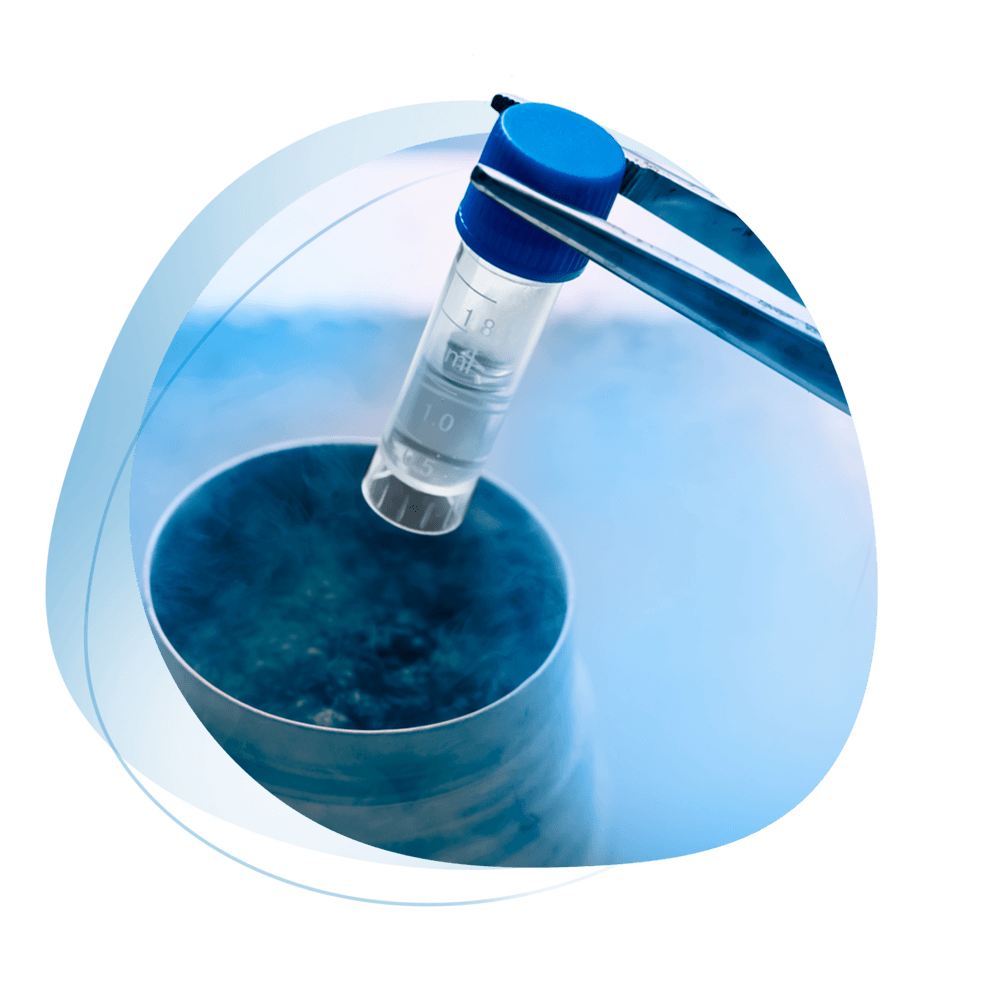
Sperm freezing is also known as sperm cryopreservation, the process involves preserving a man’s sperm at very low temperatures for future use. The technique allows patients to store their sperm for an extended period, preserving its viability and potential to be used in assisted reproductive procedures at a later stage.
Why is sperm freezing important?
Sperm freezing may be considered for both social and medical reasons. For example, patients may wish to preserve their fertility ahead of medical treatment, which may impact their fertility, such as chemotherapy. It is also used for patients before they undergo gender reassignment.
Patients may also wish to freeze sperm ahead of treatment if they may have difficulty producing a sample on the day or have a low sperm count. Sperm freezing may also be required for patients who are having surgical sperm retrieval prior to treatment. The sample will be frozen and stored at the clinic until it is required for use in treatment.
When is sperm freezing recommended?
Sperm freezing is recommended in various situations where a patient wants to preserve their sperm for future use. Here are some common situations when sperm freezing might be recommended:
- Prior to cancer treatment
- Testicular or reproductive disorders
- Prior to surgery
- Prior to gender reassignment
- Prior to vasectomy
- As a back up prior to fertility treatment
- High risk occupations
- Military deployment
How much does sperm freezing cost?
This includes
- A consultation with one of our clinicians to plan for the sperm freezing
- A consultation with the member of the nursing team to support the patient with the consenting process
- Sperm freezing
- Storage of sperm for 1 year
Storage of frozen eggs, sperm or embryos?
The first year of storage is included in the sperm freezing price. After that, there will be one annual storage fee regardless of the number of eggs, sperm or embryos in storage.