




Surgical Sperm Retrieval
Helping Create Fertility Options When Sperm Is Not Present in Semen
Surgical Sperm Retrieval is a procedure used to collect sperm directly from the testicles or reproductive tract when sperm cannot be obtained through ejaculation. The retrieved sperm can then be used as part of fertility treatment, most commonly Intracytoplasmic Sperm Injection (ICSI).
At The Bridge Fertility, Surgical Sperm Retrieval may be recommended for individuals experiencing certain forms of male infertility, helping create opportunities for biological parenthood when conventional sperm collection is not possible.

What Is Surgical Sperm Retrieval?
Surgical Sperm Retrieval refers to a group of procedures used to obtain sperm directly from the male reproductive system.
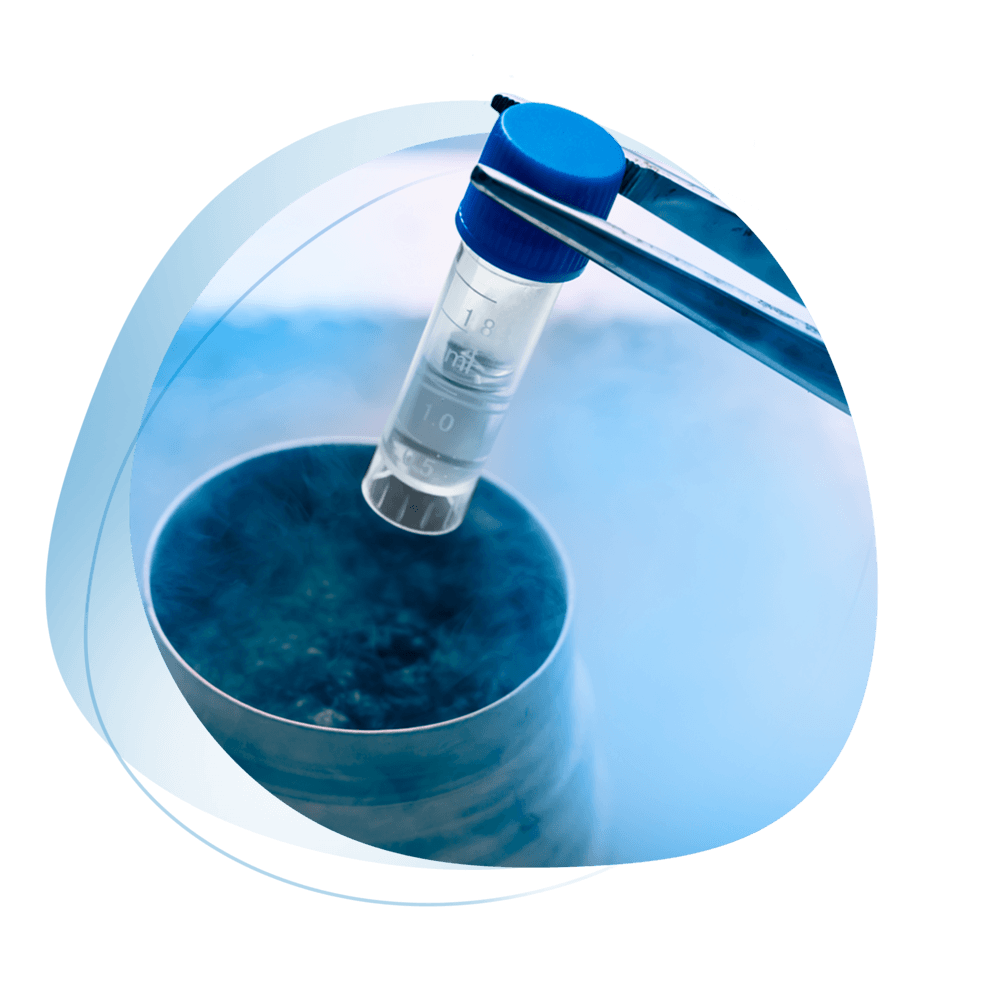
Rather than collecting sperm through a semen sample, sperm is retrieved from the testicles or epididymis using specialised techniques performed by a fertility specialist. Once collected, sperm can be used immediately for fertility treatment or frozen for future use, depending on your treatment plan.
Surgical Sperm Retrieval is most commonly performed as part of IVF and ICSI treatment when sperm are absent from the ejaculate or when previous sperm collection attempts have been unsuccessful.
How Is Sperm Retrieved?
Several techniques may be used depending on the cause of infertility and your individual circumstances.
01
Percutaneous Sperm Retrieval
This technique uses a fine needle to retrieve sperm from the epididymis or testicle. It is a minimally invasive option that may be suitable for some patients.
02
Testicular Sperm Extraction (TESE)
TESE involves collecting a small sample of testicular tissue so that sperm can be identified and retrieved within the laboratory.
03
Microsurgical Techniques
In some situations, specialised microsurgical procedures may be used to improve the likelihood of locating sperm within the testicular tissue. Your fertility specialist will discuss the most appropriate approach based on your diagnosis and treatment goals.
04
What Happens After Retrieval?
Following retrieval, the sperm is examined by the embryology team to determine whether viable sperm are present.
Depending on your treatment plan:
- Sperm may be used immediately as part of an IVF-ICSI cycle
- Sperm may be frozen and stored for future fertility treatment
- Additional fertility treatment planning may be recommended
Because retrieved sperm often have limited ability to fertilise an egg on their own, ICSI is commonly used to assist fertilisation.
05
Future Use of Frozen Sperm
- Intrauterine Insemination (IUI)
- In Vitro Fertilisation (IVF)
- Intracytoplasmic Sperm Injection (ICSI)
Understanding the Results
The outcome of Surgical Sperm Retrieval depends on the underlying cause of infertility and whether viable sperm can be successfully identified.
If suitable sperm are found, they may be used immediately during fertility treatment or frozen for future use. If sperm cannot be retrieved, your fertility specialist will discuss alternative options and potential next steps based on your individual circumstances.
Your fertility team will review the results with you and explain how they may affect your fertility treatment plan.
Risks and Limitations
Surgical Sperm Retrieval is generally considered safe, but as with any procedure, there are potential risks.
These may include:
- Mild pain or discomfort following the procedure
- Swelling or bruising at the treatment site
- Bleeding
- Infection
- Temporary tenderness during recovery
It is also important to understand that sperm retrieval cannot be guaranteed in every case. Success depends on the underlying cause of infertility, sperm production, and individual reproductive factors.
Your fertility specialist will discuss the potential benefits, risks, and expected outcomes before treatment begins.

Take the Next Step Towards Building Your Family
Male infertility does not always mean biological parenthood is out of reach. Surgical Sperm Retrieval can provide an opportunity to obtain sperm for fertility treatment when conventional collection methods are unsuccessful.
Whether you are pursuing IVF treatment after a vasectomy, managing azoospermia, or exploring options for male factor infertility, our team is here to provide personalised guidance and support throughout every stage of care.
Contact The Bridge Fertility today to learn more about Surgical Sperm Retrieval and schedule a consultation with our fertility specialists.
Frequently Asked Questions
Is Surgical Sperm Retrieval painful?
Most procedures are performed using local anaesthetic, sedation, or other pain management techniques to help ensure comfort. Mild discomfort during recovery is common and typically resolves within a few days.
Will I need IVF after Surgical Sperm Retrieval?
In many cases, retrieved sperm are used as part of an IVF cycle with ICSI. Your fertility specialist will recommend the most appropriate treatment approach based on your circumstances.
Can retrieved sperm be frozen?
Yes. Retrieved sperm can often be frozen and stored for future fertility treatment if suitable sperm are identified.
What happens if no sperm are found?
If sperm cannot be retrieved, your fertility specialist will discuss the possible reasons, review your results, and explain any alternative fertility treatment options that may be available.
How long is the recovery period?
Recovery varies depending on the procedure performed, but many patients can resume normal activities within a few days while avoiding strenuous activity for a short time.
Surgical sperm retrieval
Surgical sperm retrieval is a medical procedure to collect sperm directly from the testicles or the epididymis.


What is surgical sperm retrieval?
Surgical sperm retrieval is a medical procedure to collect sperm directly from the testicles or the epididymis. It is used when there is no sperm present in the ejaculate.
How does surgical sperm retrieval work?
Surgical sperm retrieval begins with administering local anaesthesia or conscious sedation to ensure the patient’s comfort. Depending on the technique, either a small incision is made in the scrotum, and a sample of testicular tissue is obtained, or a needle is carefully inserted into the epididymis to extract sperm-containing fluid. The sample is then examined in a laboratory to assess for the presence of sperm as well as its quality and viability. Any viable sperm is only suitable for use in ICSI. The embryology team will explain the outcome of the procedure afterwards, including the quality of the sperm identified if that is the case. Any viable sperm will be frozen and stored for further use in fertility treatment.
When is surgical sperm retrieval recommended?
Surgical sperm retrieval might be recommended for men that have the following:
- Obstructive Azoospermia
- Non-obstructive Azoospermia
- Previous vasectomy
- Failed ejaculation
- Genetic conditions
- Fertility preservation
How much does surgical sperm retrieval cost?
This includes
- A consultation with one of our clinicians
- All required screening blood tests (minimum Hepatitis B and C and HIV)
- A session with the member of the nursing team to support you with the consenting process
Surgical sperm retrieval - Conscious sedation or local anesthetics
- Processing and freezing of any isolated sperm
- 1 year storage of sperm