




Ovulation Induction (OI)
Encouraging Ovulation to Support Conception
Ovulation Induction (OI) is a fertility treatment that uses medication to stimulate the development and release of an egg from the ovary. It is commonly recommended for individuals who ovulate irregularly, infrequently, or not at all, helping improve the chances of conception.
At The Bridge Fertility, Ovulation Induction is often one of the first treatment options considered for patients experiencing ovulation-related fertility challenges. By encouraging regular ovulation and carefully monitoring the ovaries’ response, OI can help support natural conception and other fertility treatments.
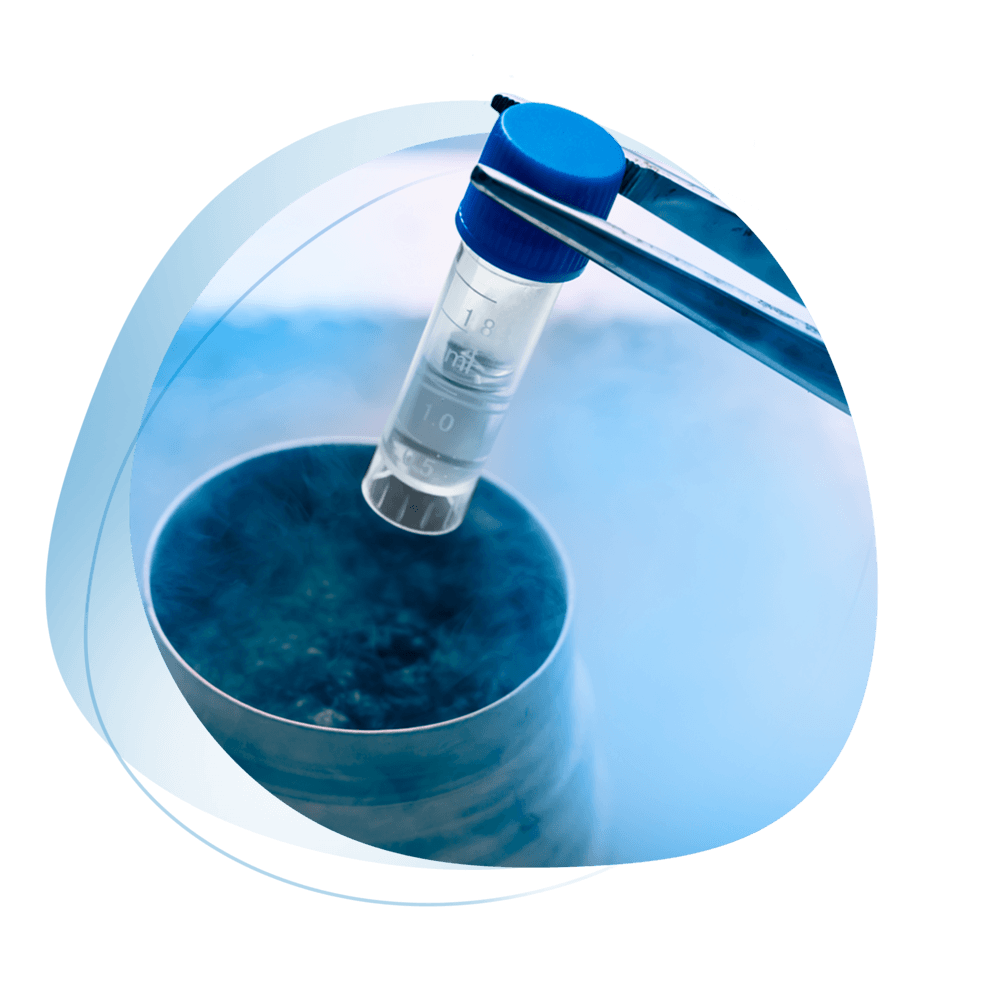

What Is Ovulation Induction?
Ovulation Induction is a fertility treatment that uses medication to encourage follicle development and the release of a mature egg.
For pregnancy to occur naturally, an egg must be released during ovulation. However, some individuals experience irregular ovulation patterns or conditions that prevent ovulation from occurring consistently. Ovulation Induction helps stimulate the ovaries and improve the likelihood of ovulation during a treatment cycle.
The treatment may be used on its own or combined with other fertility treatments, such as Intrauterine Insemination (IUI), depending on your individual circumstances and fertility goals.
What Does the Treatment Process Involve?
01
Fertility Assessment and Treatment Planning
Your fertility journey begins with a comprehensive fertility assessment. This helps your specialist identify factors that may be affecting fertility and develop a treatment plan tailored to your individual needs.
02
Ovulation Stimulation
Fertility medication is prescribed to encourage follicle development within the ovaries. The goal is to stimulate the growth and maturation of an egg that can be released during ovulation.
03
Monitoring Your Response
Throughout treatment, ultrasound scans and, in some cases, hormone testing may be used to monitor follicle growth and assess the ovaries’ response to medication. Monitoring helps determine the optimal timing for intercourse, IUI, or other fertility treatments while helping your fertility team make any necessary adjustments to your treatment plan.
04
Ovulation and Conception
Once the follicle reaches the appropriate stage of development, ovulation may occur naturally or be triggered using medication when appropriate. Timed intercourse or fertility treatment such as IUI may then be recommended to maximise the chance of conception.
05
Understanding Your Response to Treatment
Throughout Ovulation Induction treatment, ultrasound monitoring and hormone testing may be used to assess how the ovaries are responding to medication. Monitoring helps your fertility specialist determine whether follicles are developing appropriately, whether ovulation is likely to occur, and whether any adjustments to treatment are needed. These findings help guide future treatment recommendations and improve the likelihood of successful conception.
06
Understanding Your Treatment Plan
No two fertility journeys are exactly alike. The medications, monitoring schedule, and treatment recommendations used during Ovulation Induction may vary depending on factors such as age, hormone levels, ovarian reserve, fertility diagnosis, and treatment goals. At The Bridge Fertility, treatment plans are personalised to each patient’s unique circumstances. Throughout treatment, your response is closely monitored to help optimise outcomes while reducing the risk of complications such as multiple pregnancy or ovarian overstimulation.
Benefits and Considerations
- Encouraging regular ovulation
- Increasing the likelihood of releasing a mature egg
- Increasing opportunities for conception in patients who do not ovulate regularly
- Providing a less invasive fertility treatment option
- Complementing treatments such as IUI
Risks and Considerations
- Side effects from fertility medications
- Ovarian Hyperstimulation Syndrome (OHSS)
- Multiple pregnancy, including twins or higher-order multiples
- Cycle cancellation if the ovaries respond unexpectedly
Frequently Asked Questions
How long does Ovulation Induction treatment take?
The length of treatment varies depending on your individual treatment plan and response to medication. Monitoring appointments are typically scheduled throughout the cycle to assess progress.
Is Ovulation Induction painful?
The treatment itself is not usually painful, although some individuals may experience temporary side effects from fertility medications, such as bloating, breast tenderness, or mild pelvic discomfort.
Can Ovulation Induction be combined with other fertility treatments?
Yes. Ovulation Induction is often used alongside treatments such as IUI to improve the chances of conception.
Can Ovulation Induction cause the release of more than one egg?
Yes. Depending on how the ovaries respond to treatment, more than one follicle may develop and release an egg. This is one reason why careful monitoring is important, as it helps reduce the risk of multiple pregnancy.
What happens if treatment is unsuccessful?
If pregnancy does not occur, your fertility specialist may recommend adjusting the treatment plan, repeating treatment, or exploring other fertility options based on your individual circumstances.

Take the Next Step Towards Pregnancy
If irregular ovulation, PCOS, or other ovulatory disorders are affecting your ability to conceive, Ovulation Induction may help improve your chances of pregnancy and support your family-building goals. Our team will work closely with you to develop a personalised treatment plan and provide guidance throughout every stage of care. Contact The Bridge Fertility today to learn more about Ovulation Induction and schedule a consultation with our fertility specialists.
Ovulation induction (OI)
This treatment is useful for patients who have irregular cycles or no cycles at all


What is OI, and who is it for?
OI involves taking fertility drugs to stimulate ovulation and timing sexual intercourse to maximise the chances of achieving a pregnancy (if the patient has a male partner). This treatment is useful for patients who have irregular cycles or no cycles at all, for example, those with polycystic ovarian syndrome. For OI to be successful, the patient must have open fallopian tubes, and their partner must have a normal semen analysis.
How does OI work?
During the treatment cycle, the ovaries are scanned to make sure they are responding to the drugs. The patient can test for natural ovulation by using home testing kits, or they can take an injection to induce ovulation. Around the time of ovulation, the patient can have regular sexual intercourse or have intrauterine insemination with partner or donor sperm (see IUI page for information regarding this treatment).
Why is OI important?
OI is an effective treatment for those whose only fertility issues are with ovulation or irregular periods. It is a low-risk and minimally invasive treatment which is much lower in cost than IVF/ICSI treatments.
When is OI recommended?
Ovulation Induction (OI) is a fertility treatment aimed at stimulating the development and release of one egg from the ovaries. It involves the use of fertility drugs, either oral or injectable . OI is often recommended in various situations such as:
- Irregular or Anovulatory cycles
- Polycystic ovary syndrome
- Follicle development monitoring
- Controlled ovulation timing
How successful is OI?
The chances of success with ovulation induction are very determined by the age of the patient at the time of treatment. Your specific chances of success based on your medical history, age and ovarian reserve will be discussed with you in consultation. It is important to remember that success rates can have their limitations when you compare them with your own experiences or diagnosis.
How much does OI cost?
This includes
- A consultation with one of our clinicians to plan for the treatment
- A teaching session with the member of the nursing team to teach drug administration if required
- Baseline scan
- Monitoring scans
- Pregnancy scan if applicable