What Is the IUI Treatment? How It Works, What It Involves, and What to Expect
If you are asking what is the iui treatment, the short answer is this: intrauterine insemination (IUI) is a fertility treatment where prepared sperm is placed directly into the uterus around ovulation to increase the chance of fertilization.
It is completely normal to look for simple explanations when you are starting fertility care. Many patients also search what is an iui and how does iui works because the process can feel unfamiliar at first, especially when you are comparing it with other treatments like IVF.
TL;DR: The IUI treatment is a procedure that places washed sperm directly into the uterus during ovulation. This helps bring sperm closer to the egg to improve the chance of pregnancy. It is a simple, low-intervention fertility treatment often used early in the fertility journey.
What Is the IUI Treatment and Why Is It Used
When patients search what is the iui treatment, they are usually trying to understand how it fits into fertility care.
IUI is designed to support natural conception by improving timing and sperm delivery. Instead of relying only on intercourse, sperm is placed directly into the uterus at the most fertile time of the cycle.
This treatment is commonly used when:
- There is unexplained infertility
- There are mild sperm-related concerns
- Ovulation needs support or monitoring
- Cervical mucus may be affecting sperm movement
- Donor sperm is being used
In simple terms, IUI reduces distance and timing barriers so fertilization becomes more likely.
What Is an IUI and How It Fits Into Fertility Treatment
If you are wondering what is an iui, it helps to think of it as a timed, assisted form of conception.
IUI is not a surgical procedure or a complex intervention. It is a clinical procedure that supports the natural process of fertilization by placing sperm closer to the egg at the right time.
It is often considered one of the first steps in fertility treatment before moving to more advanced options like IVF.
In short, what is an iui refers to a simple and targeted way to assist conception without removing the process from the body.
How Does IUI Works in Real Life Step by Step
Many patients search how does iui works because they want to understand exactly what happens during treatment.
Here is how the process typically works:
Cycle monitoring
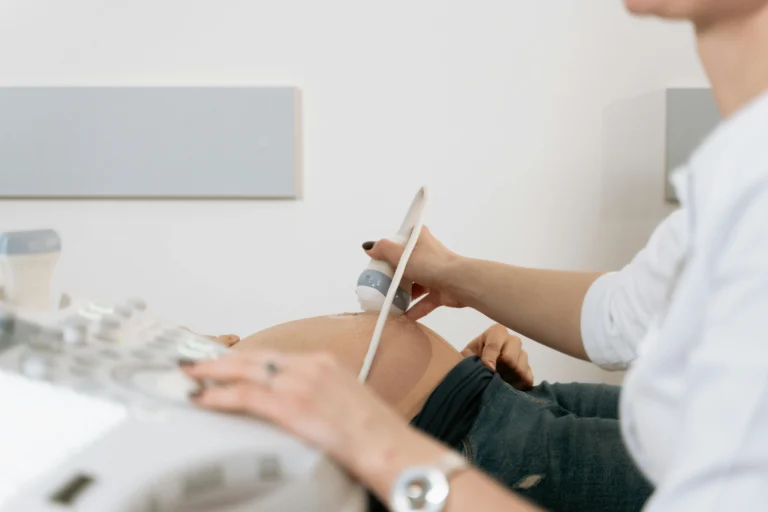
Your fertility team tracks your ovulation using ultrasound scans or hormone tests. This helps identify your most fertile window.
Timing ovulation
In some cases, medication is used to trigger ovulation at a predictable time so the procedure can be scheduled accurately.
Sperm preparation
A semen sample is collected and processed in the laboratory. This step separates healthy, motile sperm from other fluid, concentrating the best-quality sperm.
The insemination procedure
The prepared sperm is placed directly into the uterus using a thin, soft catheter. This step is quick and usually takes only a few minutes.
The two-week wait
After the procedure, you wait about 10 to 14 days before taking a pregnancy test. This is when implantation may occur if fertilization is successful.
In short, how does iui works is about improving timing and placement so sperm has a better chance of reaching the egg.
What to Expect During and After IUI
Most patients are surprised by how simple the procedure is.
The IUI treatment is usually quick and feels similar to a routine cervical screening. You may feel mild cramping during or shortly after the procedure, but this usually passes quickly.
Afterwards, you can return to normal daily activities. There is no required downtime, although your clinic may give you specific guidance based on your situation.
Emotionally, the waiting period can feel more challenging than the procedure itself. It is normal to feel hopeful, anxious, or focused on every small symptom during this time.
Success Rates and What They Mean
IUI success rates vary depending on age, diagnosis, and sperm quality.
On average, success per cycle is around 10 to 20 percent. Some patients achieve pregnancy within a few cycles, while others may need more than one attempt.
These numbers are averages, not predictions for an individual outcome. Your fertility specialist can give you a more personalized estimate based on your test results.
Is IUI the Right Treatment for You
Understanding what is the iui treatment is often the first step in deciding whether it is right for you.
IUI may be recommended if:
- You are early in your fertility journey
- There are mild or unexplained fertility concerns
- You prefer a less invasive treatment option
- Your doctor believes timing is the main barrier
However, IUI is not suitable for every case. In more complex fertility situations, IVF may be recommended instead.
The best choice depends on your medical history and fertility assessment.
How Bridge Fertility London Can Support You
If you are still asking what is an iui or how does iui works in your specific situation, personalized guidance can help you make a clearer decision.
Bridge Fertility London provides evidence-based fertility care focused on clarity, transparency, and emotional support. The team helps you understand how treatments like IUI fit into your fertility plan and what outcomes may be realistic for you.
Speaking with a fertility specialist can help you feel more confident about your next steps.
Conclusion
The IUI treatment is a simple fertility procedure that helps improve the chances of pregnancy by placing prepared sperm directly into the uterus during ovulation.
Understanding what is the iui treatment, what is an iui, and how does iui works can help you feel more informed and less overwhelmed as you explore your options.
In short, IUI is often an early and less invasive step in fertility care, but success depends on your individual circumstances.
FAQs
What is the difference between IUI and IVF?
IUI places sperm into the uterus, while IVF fertilizes eggs outside the body and transfers embryos into the uterus. IVF is more advanced and has higher success rates per cycle.
Is IUI painful?
Most patients feel little to no pain. The procedure is quick and mild cramping may occur but usually resolves quickly.
How long does an IUI cycle take?
An IUI cycle usually takes a few weeks, including monitoring, ovulation timing, and the procedure itself.
How many IUI cycles are usually needed?
Many doctors recommend trying 3 to 6 cycles depending on age and diagnosis before considering other treatments.
Can I resume normal activities after IUI?
Yes, most patients return to normal activities immediately after the procedure.
Are you considering IUI and unsure if it is the right step for you?
If you feel uncertain about your options, speaking with a fertility specialist can help you understand your treatment plan more clearly. The Bridge Fertility London team is here to support you with clear, compassionate, and evidence-based care at every stage of your journey.
Follow us on our social media channels below:
Explore our related articles below:
- IVF 5 Day Transfer Due Date Calculator: Timeline, Testing, and What to Expect
- What Is the IVF Success Rate: What the Numbers Really Mean for You
- How Much Does IVF Cost: What to Expect and What Affects the Price
- How Long Is the IVF Process: Timeline, Steps, and What to Expect
- Can You Choose Gender IVF and Is It Legal?
- Early Pregnancy Symptoms with IVF and What They Really Mean
- Side Effects of IVF Injections: What to Expect and When to Seek Help
- 7 Days After IVF Embryo Transfer: What Symptoms Mean and What to Expect
- What to Do After IVF Transfer: What Happens Next and How to Support Implantation