How Long Is the IVF Process: Timeline, Steps, and What to Expect
If you are wondering how long is IVF process, the short answer is this: a typical IVF cycle takes about 4 to 6 weeks from the start of medications to pregnancy testing. However, the full journey can take longer depending on your treatment plan, test results, and individual response.
It is completely normal to want a clear timeline. Many patients also search for how long does the process of IVF take because waiting and uncertainty can feel overwhelming. Understanding each step can help you feel more prepared.
TL;DR: A standard IVF cycle usually takes 4 to 6 weeks. This includes ovarian stimulation, egg retrieval, fertilization, and embryo transfer. Some patients may need additional time for testing, frozen transfers, or recovery between cycles.
IVF Process How Long: Overview of the Full Timeline
When asking IVF process how long, it helps to separate the full journey from a single cycle.
A complete IVF journey may include preparation, testing, and sometimes multiple cycles. While one cycle may take about a month, the entire process can extend over several months depending on your situation.
In short, IVF is a step-by-step process rather than a single procedure.
Step-by-Step IVF Timeline
Initial consultation and testing
Before treatment begins, your fertility specialist will review your medical history and run tests. This stage may take a few weeks depending on scheduling and results.
Ovarian stimulation (10 to 14 days)
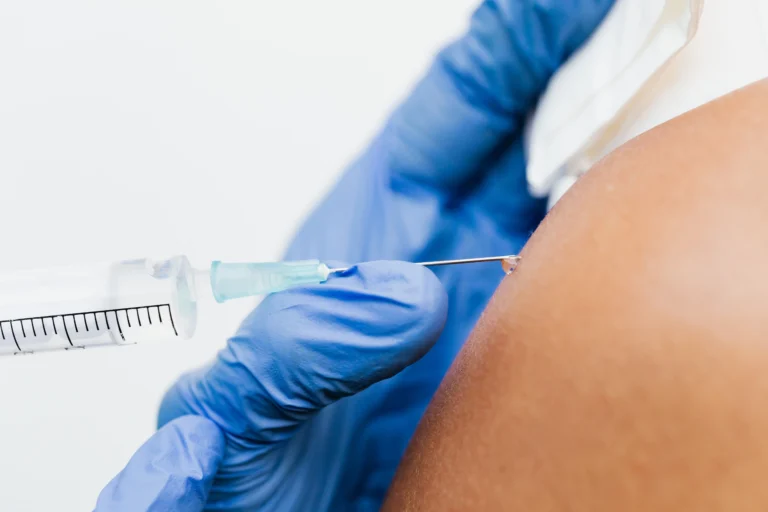
You will take hormone injections to stimulate your ovaries to produce multiple eggs. During this time, your clinic monitors your response with ultrasounds and blood tests.
Egg retrieval (1 day procedure)
Egg retrieval is a short procedure performed under sedation. The eggs are collected from your ovaries using a guided needle.
Fertilization and embryo development (3 to 5 days)
The eggs are fertilized in a lab, and embryos are monitored as they develop. Not all embryos will continue to grow, which is a normal part of the process.
Embryo transfer (1 day procedure)
A selected embryo is placed into your uterus. This is usually a quick and minimally invasive procedure.
Two-week wait (9 to 14 days)
After transfer, you wait for a pregnancy test. This period can feel like the longest part of the process.
Takeaway: A single IVF cycle, from stimulation to testing, typically takes about 4 to 6 weeks.
How Long Is IVF Procedure Itself
When patients ask how long is IVF procedure, they are often referring to specific steps like egg retrieval or embryo transfer.
Egg retrieval usually takes about 20 to 30 minutes, although you may spend a few hours at the clinic for preparation and recovery. Embryo transfer is even shorter and often takes less than 15 minutes.
This means the procedures themselves are brief, even though the overall process takes several weeks.
Factors That Can Affect IVF Timeline
The length of IVF treatment is not the same for everyone.
Your response to medications can affect how long stimulation lasts. Some patients may need adjustments to their protocol, which can extend the timeline.
In some cases, embryos are frozen for later transfer. This is called a frozen embryo transfer cycle and may add several weeks or months.
Additional testing, such as genetic screening, can also extend the process but may improve decision-making.
If multiple cycles are needed, the overall timeline will naturally be longer.
Fresh vs Frozen IVF Cycles: Timeline Differences
In a fresh transfer cycle, the embryo is transferred a few days after retrieval. This keeps the process within a single month.
In a frozen cycle, embryos are stored and transferred later. This allows your body time to recover and may improve uterine conditions, but it extends the overall timeline.
Your fertility specialist will recommend the best approach based on your medical history.
Emotional Experience of the IVF Timeline
Understanding how long does the process of IVF take is not just about weeks or months. It is also about how the time feels emotionally.
Some stages move quickly, like procedures, while others, like waiting for results, can feel slow and uncertain.
You may feel hopeful at one stage and anxious at another. These emotional shifts are a normal part of the journey.
Giving yourself space to process each phase can help make the timeline more manageable.
How Bridge Fertility London Can Support You
If you are unsure how long is IVF process in your specific case, personalized guidance can make a difference.
Bridge Fertility London provides evidence-based care tailored to your needs. The team works closely with you to explain each stage, adjust your treatment plan, and support you through both the medical and emotional aspects of IVF.
Speaking with a fertility specialist can help you understand your expected timeline and next steps with clarity.
Conclusion
The IVF process usually takes about 4 to 6 weeks per cycle, but the full journey may take longer depending on your treatment plan.
While the procedures themselves are short, the overall process involves several stages that require time, monitoring, and patience.
In short, understanding the timeline can help you feel more prepared, even though some uncertainty is part of the process.
FAQs
How long does one IVF cycle take?
A single IVF cycle typically takes about 4 to 6 weeks from the start of stimulation to the pregnancy test.
Can IVF take longer than one month?
Yes, especially if additional testing, frozen transfers, or multiple cycles are needed.
How long is egg retrieval recovery?
Most patients recover within a few days, although mild discomfort or bloating can last a bit longer.
Is embryo transfer a long procedure?
No, embryo transfer is usually quick and takes less than 15 minutes.
How many IVF cycles are usually needed?
This varies. Some patients succeed in one cycle, while others may need more based on individual factors.
Where are you in your IVF journey right now?
If you are unsure about your timeline or what to expect next, speaking with a fertility specialist can help. The Bridge Fertility London team is here to guide you with clarity, care, and personalized support every step of the way.
Follow us on our social media channels below:
Explore our related articles below:
- What Is the IUI Treatment? How It Works, What It Involves, and What to Expect
- What Is the IVF Success Rate: What the Numbers Really Mean for You
- How Much Does IVF Cost: What to Expect and What Affects the Price
- IVF 5 Day Transfer Due Date Calculator: Timeline, Testing, and What to Expect
- Can You Choose Gender IVF and Is It Legal?
- Early Pregnancy Symptoms with IVF and What They Really Mean
- Side Effects of IVF Injections: What to Expect and When to Seek Help
- 7 Days After IVF Embryo Transfer: What Symptoms Mean and What to Expect
- What to Do After IVF Transfer: What Happens Next and How to Support Implantation