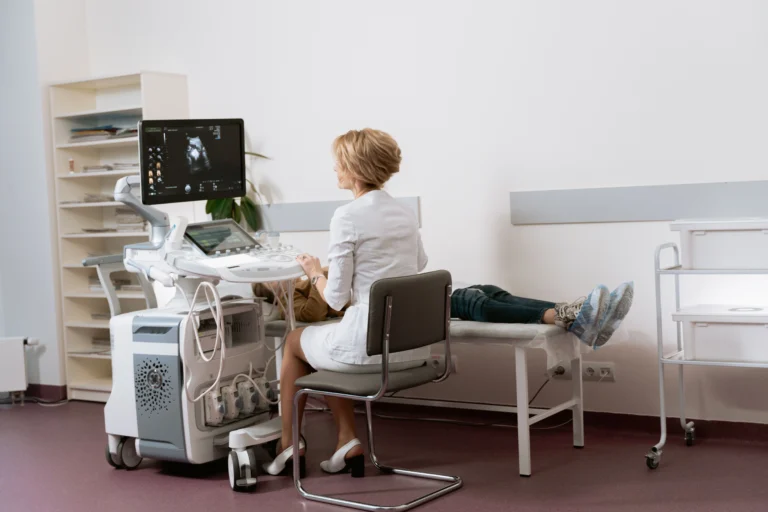
What Happens at a First Fertility Clinic Appointment
What Happens at Your First Fertility Clinic Appointment?
Attending your first fertility clinic appointment can feel like a major emotional and practical step. Many patients describe it as a mix of hope, relief, anxiety, and uncertainty all at once. If you have been trying to conceive for a long time, this visit may feel like the moment things finally start moving forward.
It is completely normal to feel unsure about what will happen. Fertility care involves personal conversations, medical testing, and decisions that can feel overwhelming at first. The good news is that your first appointment is not about rushing into treatment. It is about understanding your body, your history, and your options.
Clinics like Bridge Fertility London structure this visit carefully so you feel informed, supported, and never pressured.
Quick answer:
At your first fertility clinic appointment, you will review your medical history, discuss your fertility concerns, and begin initial investigations. Your specialist may recommend tests, explain possible causes of fertility challenges, and outline a step-by-step plan tailored to you.
Key takeaways:
- The first appointment focuses on understanding your fertility history and concerns
- You will discuss possible medical and lifestyle factors
- Initial tests for both partners may be recommended
- You will have time to ask questions and express concerns
- A personalized plan is usually created after this visit or after test results
Why the First Appointment Matters
Your first fertility consultation is the foundation of your entire treatment journey. It is where your specialist begins to understand your reproductive health and where you begin to understand what is happening in your body.
This appointment is not just medical. It is also emotional and psychological. Many patients arrive feeling anxious, especially if they have experienced months or years of uncertainty. A good clinic will recognize this and create a calm, structured environment.
This visit helps to:
- Build trust between you and your fertility specialist
- Identify possible reasons for difficulty conceiving
- Decide what tests are needed next
- Introduce possible treatment pathways
- Provide emotional reassurance and clarity
In many cases, patients leave their first appointment feeling more informed, even if they do not yet have all the answers.
Emotional Expectations Before Your Appointment
It is common to feel a wide range of emotions before attending your first visit.
You may feel:
- Hopeful that answers are coming
- Nervous about medical tests or results
- Overwhelmed by information online
- Emotionally tired from trying to conceive
There is no right or wrong way to feel. Fertility journeys are deeply personal, and each experience is different.
Some patients also feel pressure to “be prepared” or “know everything” before attending. In reality, your clinic expects questions, uncertainty, and emotion. You do not need to prepare perfectly.
Preparing for Your First Fertility Appointment
A little preparation can help you feel more confident and make the appointment more productive.
What to bring with you
- Medical history summaries (if available)
- List of medications and supplements
- Previous test results or scans
- Notes about menstrual cycles
- Pregnancy history if applicable
Helpful preparation steps
- Write down your main questions beforehand
- Track your cycle if possible
- Note how long you have been trying to conceive
- Consider bringing your partner for support
What you do NOT need to prepare
- A diagnosis
- A treatment plan
- Medical terminology knowledge
The clinic will guide you through everything step by step.
What Happens When You Arrive at the Clinic
When you arrive, you will usually begin with check-in and basic paperwork. This may include consent forms and questions about your medical background.
You may be asked about:
- Lifestyle habits such as smoking, alcohol, and exercise
- Family medical history
- Duration of trying to conceive
- Any known fertility issues
This information helps your specialist understand your situation before the consultation begins.
Your Consultation With the Fertility Specialist
The consultation is the most important part of your first appointment. It is a structured conversation designed to understand your reproductive health and concerns.
Your specialist will usually start by asking open questions about your journey so far.
Topics discussed during consultation
- How long you have been trying to conceive
- Whether your cycles are regular or irregular
- Any previous pregnancies or miscarriages
- Any known medical conditions
- Lifestyle factors that may influence fertility
This is also your opportunity to share how the experience has affected you emotionally. Many patients find this part surprisingly helpful, as it allows them to speak openly about something they may have been carrying privately.
Understanding Male and Female Fertility Factors
Fertility involves both partners in many cases. Even when one issue is suspected, clinics usually assess both individuals to ensure a complete understanding.
Female fertility considerations
- Ovulation patterns
- Egg reserve and quality
- Uterine and fallopian tube health
- Hormone balance
Male fertility considerations
- Sperm count
- Sperm movement
- Sperm shape and quality
- Hormonal health
Understanding both sides helps create a more complete picture of fertility health.
Physical Examination and What It Involves
Not every patient will need a physical examination during the first visit, but it may be recommended depending on your situation.
For women
- Pelvic examination
- Ultrasound scan to assess the uterus and ovaries
For men
- Physical examination if indicated
These examinations are usually quick and designed to gather additional information, not to make immediate decisions.
Fertility Testing Explained Clearly
Testing is one of the most important steps in understanding fertility health. It helps identify possible causes or confirm that everything is functioning normally.
Common female fertility tests
- Hormone blood tests (cycle and ovulation hormones)
- Ultrasound scans to assess reproductive organs
- Ovarian reserve testing (egg supply assessment)
Common male fertility tests
- Semen analysis
- Hormone testing if required
What testing feels like emotionally
Some patients feel anxious about tests, especially when waiting for results. This is completely normal. Tests are simply tools to provide clarity, not judgments about your ability to conceive.
Possible Outcomes After Initial Assessment
After reviewing your history and initial tests, your doctor may find:
- A clear cause of fertility challenges
- Multiple contributing factors
- No identifiable cause (unexplained infertility)
Unexplained fertility is more common than many people expect. It does not mean nothing is wrong. It simply means current tests have not identified a specific cause.
Treatment Options That May Be Discussed
Depending on your situation, your specialist may introduce possible treatment pathways.
Lifestyle and timing support
- Ovulation tracking guidance
- Health and lifestyle adjustments
Medical treatments
- Ovulation induction medication
- IUI (intrauterine insemination)
- IVF (in vitro fertilization)
Advanced options
- ICSI for sperm-related issues
- Genetic testing of embryos
Your doctor will not expect you to decide immediately. The goal is understanding, not pressure.
Emotional Support During Your First Visit
Fertility care is not only medical. Emotional well-being is a core part of the journey.
Patients often experience:
- Relief at finally being heard
- Anxiety about results
- Grief from past struggles
- Hope for future possibilities
A supportive clinic will:
- Allow time for questions
- Avoid rushing decisions
- Acknowledge emotional difficulty
- Provide clear and calm explanations
What Happens After the Appointment
After your first visit, the next steps usually include diagnostic testing.
You may be scheduled for:
- Blood tests
- Ultrasound scans
- Semen analysis
Once results are complete, you will return for a follow-up appointment where your personalized plan is discussed in detail.
How Long the Process Takes
Fertility care is a step-by-step process, not a single event.
Typical timeline:
- Initial appointment: 1 day
- Testing phase: 2 to 4 weeks
- Follow-up consultation: after results
- Treatment planning: ongoing
Some patients move quickly into treatment, while others need more investigation first.
Cost and Financial Considerations
Fertility treatment costs vary depending on tests and treatments required.
Clinics typically provide:
- Clear breakdown of fees
- Information on what is included
- Optional package pricing
It is important to ask questions early so you can plan comfortably.
How to Evaluate the Right Clinic
Your first appointment is also a chance to evaluate the clinic itself.
Ask yourself:
- Did I feel listened to?
- Were explanations clear and honest?
- Did I feel rushed or supported?
If you are comparing options such as a Fertility Clinic Harrow, focus less on location and more on communication, trust, and quality of care.
Red Flags to Be Aware Of
Be cautious if you notice:
- Guarantees of success
- Pressure to begin treatment immediately
- Lack of clear explanations
- Dismissive communication
Trust and clarity are essential in fertility care.
When a Second Opinion Helps
It is completely acceptable to seek another opinion if you feel unsure.
This may help if:
- You feel rushed
- You do not understand your plan
- You want to explore other options
A second perspective can provide reassurance and clarity.
Common Misconceptions
- Treatment starts immediately → usually false
- All answers are given at first visit → not always
- The visit is overwhelming → not when supported well
Tips to Feel More Comfortable
- Bring someone you trust
- Write down your questions
- Take notes during consultation
- Allow yourself time afterward to reflect
Building Trust With Your Care Team
A strong relationship with your clinic is important.
Look for:
- Clear communication
- Emotional sensitivity
- Respect for your decisions
Conclusion: Taking Your First Step
Your first fertility clinic appointment is an important and courageous step toward understanding your reproductive health.
You do not need to have all the answers before you arrive. The purpose of this visit is to guide you, support you, and help you understand your next steps.
Bridge Fertility London provides compassionate, evidence-based fertility care designed to support you at every stage of your journey.
FAQs
How long does the first fertility appointment take
The first appointment usually lasts 30 to 60 minutes. This allows enough time for a full discussion of your medical history and concerns. Some cases may take longer depending on complexity.
Do I need to bring my partner?
Bringing your partner is recommended but not required. Fertility involves both individuals, so including both perspectives can be helpful. You can also attend alone if needed.
Will treatment start immediately?
Treatment usually does not begin at the first visit. The focus is on assessment, testing, and understanding your situation first. Treatment comes after results are reviewed.
What should I wear
Comfortable clothing is best. If an examination is needed, the clinic will provide guidance. You do not need to prepare anything special.
What if I feel overwhelmed
Feeling overwhelmed is normal. You can pause, ask questions, and request explanations at any time. Clinics are there to support you throughout the process.
Gentle Next Step
If you are feeling unsure, you are not alone. Many patients feel this way before their first appointment.
At Bridge Fertility London, care is centered on clarity, compassion, and personalized support.
If you are ready, you can book a consultation today and take the first step toward understanding your fertility journey.
Follow us on our social media channels below:
Explore our related articles below: