




Egg Freezing
Preserve Your Fertility for the Future
Egg freezing is a fertility preservation option that allows individuals to store their eggs for future use. By freezing eggs during their reproductive years, patients may have more flexibility when planning for pregnancy later in life.
At The Bridge Fertility, egg freezing provides an opportunity to preserve fertility before age-related changes, medical treatments, or personal circumstances impact reproductive plans. Our team works closely with each patient to develop a personalised fertility preservation strategy based on their goals and future family-building plans.

What Is Egg Freezing?
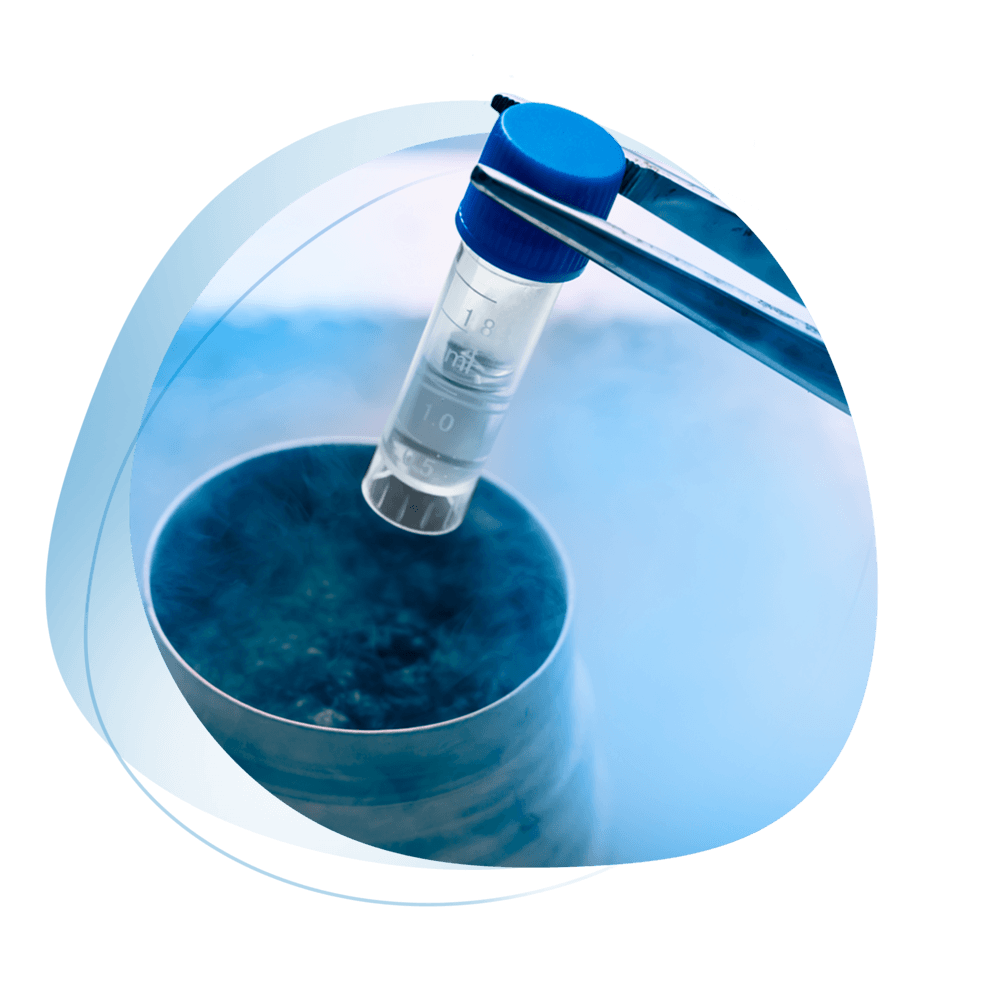
Egg freezing, also known as oocyte cryopreservation, is a fertility preservation treatment that involves collecting, freezing, and storing unfertilised eggs for future use.
The eggs are retrieved from the ovaries following ovarian stimulation and then frozen using advanced cryopreservation techniques. When the patient is ready to pursue pregnancy, the eggs can be thawed, fertilised in the laboratory, and used as part of fertility treatment.
Egg freezing allows individuals to preserve their eggs at their current age, potentially providing additional reproductive options in the future.
The Egg Freezing Process
01
Fertility Assessment and Treatment Planning
Before treatment begins, your fertility specialist will review your medical history, reproductive goals, ovarian reserve testing, and overall fertility health. This information helps determine whether egg freezing is appropriate and how treatment should be planned.
02
Ovarian Stimulation
Fertility medications are used to stimulate the ovaries and encourage the development of multiple mature eggs. Throughout this stage, monitoring appointments help assess follicle growth and determine the optimal timing for egg retrieval.
03
Egg Retrieval
Once the follicles have reached the appropriate stage of development, the eggs are collected using a minimally invasive procedure performed under sedation. The procedure typically takes less than 30 minutes.
04
Egg Freezing and Storage
Following retrieval, mature eggs are frozen using advanced cryopreservation techniques and stored for future use. These eggs remain frozen until you decide to pursue pregnancy or fertility treatment.
05
Future Use of Frozen Sperm
- Intrauterine Insemination (IUI)
- In Vitro Fertilisation (IVF)
- Intracytoplasmic Sperm Injection (ICSI)
How Egg Freezing Supports Future Family Planning
Preserving Fertility at a Younger Age
Because egg quality generally declines over time, freezing eggs earlier may help preserve future reproductive options.
Creating More Flexibility
Egg freezing can provide greater flexibility when planning for future pregnancy, allowing individuals to pursue family building when the timing feels right for them.
Supporting Medical Fertility Preservation
For patients facing medical treatments that may affect fertility, egg freezing can help preserve the possibility of future biological parenthood.
Future Use Through Fertility Treatment
When pregnancy is desired, frozen eggs can be thawed, fertilised using IVF and ICSI techniques, and transferred as embryos.
Understanding Success Factors
While egg freezing is an effective fertility preservation option, success depends on several factors.
These may include:
- Age at the time of egg freezing
- The number of eggs collected and frozen
- Egg quality
- Overall reproductive health
- Future embryo development and implantation
It is important to understand that egg freezing does not guarantee a future pregnancy. Instead, it provides an opportunity to preserve fertility potential and expand future reproductive options.
Your fertility specialist can discuss how these factors may apply to your individual circumstances.
Risks and Considerations
Egg freezing is generally considered safe, but there are important considerations to understand before treatment.
Potential risks and considerations include:
- Side effects associated with fertility medications
- Ovarian Hyperstimulation Syndrome (OHSS)
- Risks associated with egg retrieval procedures
- Not all eggs may survive thawing in the future
- Pregnancy cannot be guaranteed from frozen eggs
Our fertility team will discuss the benefits, limitations, and expectations of treatment before you begin the egg freezing process.
Frequently Asked Questions
What is the best age to freeze eggs?
While egg freezing can be performed at various ages, eggs frozen at younger reproductive ages are generally more likely to result in future success. Your fertility specialist can discuss the timing that may be most appropriate for your situation.
How long can frozen eggs be stored?
Frozen eggs can be stored for many years under appropriate laboratory conditions. Your fertility clinic can provide information regarding storage policies and options.
Will egg freezing affect my future fertility?
Egg freezing does not reduce your future ability to conceive naturally. The treatment is designed to preserve eggs while allowing the ovaries to continue functioning normally.
How many eggs should be frozen?
The ideal number varies based on age, ovarian reserve, and future family-building goals. Your fertility specialist can discuss what may be appropriate for your individual circumstances.
Does egg freezing guarantee a future pregnancy?
No. While egg freezing can preserve fertility potential, pregnancy depends on many factors, including egg quality, embryo development, implantation, and overall reproductive health.

Take Control of Your Future Fertility
Egg freezing provides an opportunity to preserve fertility and create more flexibility when planning for future family building. Whether you are considering fertility preservation for personal or medical reasons, our team is here to help you understand your options and make informed decisions about your reproductive future.
Contact The Bridge Fertility today to learn more about egg freezing and schedule a fertility preservation consultation.
Egg freezing
Egg freezing, also known as oocyte cryopreservation is a procedure in which a patient’s eggs are harvested from their ovaries, frozen and stored for future use.