




Frozen Embryo Transfer (FET)
Using Frozen Embryos to Continue Your Fertility Journey
Frozen Embryo Transfer (FET) is a fertility treatment that involves transferring a previously frozen embryo into the uterus. Advances in embryo freezing technology have made FET an important part of modern fertility care, allowing patients to use embryos created during a previous IVF cycle at a later date.
At The Bridge Fertility, Frozen Embryo Transfer offers an additional opportunity for pregnancy without requiring another egg retrieval. Treatment is carefully planned to ensure the uterine lining is prepared to support implantation and early pregnancy.

What Is Frozen Embryo Transfer?
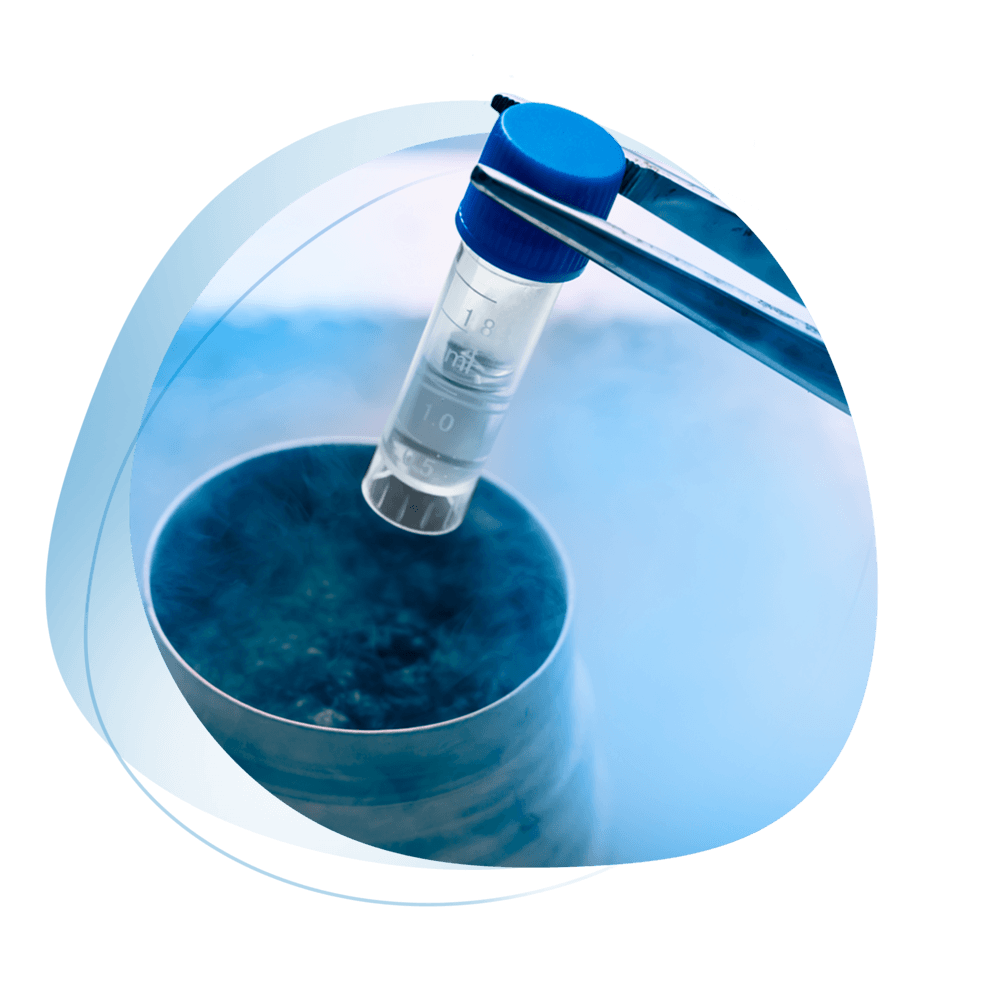
Frozen Embryo Transfer (FET) is a procedure in which a frozen embryo is thawed and transferred into the uterus.
Embryos may be frozen during a previous IVF cycle and stored for future use. When you are ready to proceed with treatment, the embryo is carefully thawed in the laboratory and transferred into the uterus at the appropriate stage of your cycle.
FET allows patients to use stored embryos without repeating the ovarian stimulation and egg retrieval stages of IVF, making it a less invasive treatment option for many individuals and couples.
The Frozen Embryo Transfer Process
01
Preparing the Uterine Lining
Before embryo transfer, the uterine lining must be prepared to support implantation. This may occur during a natural menstrual cycle or with hormone medication, depending on your treatment plan. Throughout this stage, monitoring appointments may be scheduled to assess the thickness and readiness of the uterine lining and determine the optimal timing for embryo transfer.
02
Embryo Thawing
On the day of treatment, the embryology team carefully thaws the frozen embryo. Modern freezing techniques allow embryos to be preserved with high survival rates following thawing. The embryo is assessed to confirm its suitability for transfer before the procedure.
03
Embryo Transfer
The embryo is transferred into the uterus using a thin catheter passed through the cervix. The procedure is typically quick and does not usually require anaesthesia. Most patients can return to their normal daily activities shortly after the transfer.
04
Pregnancy Testing
Approximately 10 to 14 days after embryo transfer, a pregnancy test is performed to determine whether implantation has occurred.
05
Understanding Success Factors
- Age at the time the embryos were created
- Embryo quality
- Uterine lining preparation
- Overall reproductive health
- Underlying fertility diagnosis
What Happens After Embryo Transfer?
Following embryo transfer, most patients can return to their normal daily activities. Your fertility team may recommend medications to support the uterine lining and early pregnancy while awaiting pregnancy testing.
The period between embryo transfer and pregnancy testing can be emotionally challenging. Your care team will provide guidance regarding medications, activity levels, and any follow-up appointments during this time.
Risks and Considerations
Frozen Embryo Transfer is generally considered a safe and low-risk procedure.
Potential considerations include:
- Not every embryo survives the thawing process
- Embryo implantation is not guaranteed
- Pregnancy cannot be guaranteed following transfer
- Side effects may occur from medications used to prepare the uterine lining
- Risks associated with pregnancy remain present following successful implantation
Your fertility team will explain the benefits, risks, and expectations associated with treatment before proceeding.

Take the Next Step Towards Pregnancy
Frozen Embryo Transfer provides an opportunity to use previously frozen embryos as part of your fertility journey. Whether you are continuing treatment after IVF, using embryos preserved for future family building, or pursuing pregnancy following fertility preservation, our team is here to provide personalised care and support throughout every stage of treatment.
Contact The Bridge Fertility today to learn more about Frozen Embryo Transfer and schedule a consultation with our fertility specialists.
Frequently Asked Questions
Is Frozen Embryo Transfer painful?
Most patients experience little to no discomfort during the transfer procedure. Some individuals may notice mild cramping similar to menstrual cramps.
How long does a Frozen Embryo Transfer appointment take?
The transfer itself usually takes only a few minutes, although your appointment may be longer to allow for preparation and discussion with your care team.
Is FET different from IVF?
FET uses embryos that have already been created and frozen during a previous IVF cycle. Unlike a full IVF cycle, FET does not involve ovarian stimulation or egg retrieval.
Can frozen embryos be as successful as fresh embryos?
In many situations, frozen embryo transfers can achieve pregnancy outcomes comparable to, and sometimes better than, fresh embryo transfers. Your fertility specialist can discuss which approach is most appropriate based on your individual circumstances.
How soon can I resume normal activities after treatment?
Most patients can return to their usual daily activities shortly after embryo transfer. Your fertility specialist will provide guidance based on your individual treatment plan.
Frozen Embryo Transfer (FET)
An FET is suitable for patients who have already had IVF or ICSI treatment and have frozen embryos as a result.


What is an FET, and who is it for?

An FET is suitable for patients who have already had IVF or ICSI treatment and have frozen embryos as a result. This may be because they had surplus good quality embryos available after having a fresh embryo transfer or because all embryos were frozen in that cycle.Hysterosalpingo contrast sonography (HyCoSy) is a diagnostic imaging procedure used to evaluate the fallopian tubes and the uterine cavity in women experiencing fertility issues or suspected abnormalities in their reproductive system. This will allow us to assess if getting pregnant naturally or with intrauterine insemination is an option for you.
How does an FET work?
The patients’ embryo/s will be thawed and placed into the uterus at the optimum time in the woman’s cycle to try to achieve a pregnancy. This may be in line with their natural cycle or within a medicated cycle to help time the treatment.
The patient will be scanned at certain points during their cycle and this will determine when the embryo/s should be thawed and transferred. Medications may be supplied to help support the lining of the womb to be as receptive to the embryo as possible.
Ten days after the transfer, the patient will perform a pregnancy test to determine whether implantation has taken place. If the test is positive, an ultrasound scan two weeks after will be arranged to determine the viability of the pregnancy. If the result is negative, the patient will withdraw the medication, and a period will occur.
Why is FET Important?
FET allows patients to attempt to conceive without the need to have a full cycle of IVF or ICSI treatment and with equivalent chances of success. This helps to reduce interventions, appointments and costs.
When is an FET recommended?
Frozen embryo transfer (FET) is recommended in various situations and can be a suitable option for many patients undergoing fertility treatment.
In some instances, FET is recommended in the following situations:
- Negative pregnancy test after a fresh IVF/ICSI cycle
- All embryos frozen in the fresh IVF/ICSI cycle for medical reasons (OHSS, thin lining)
- Embryo Banking
- Egg recipients
- Shared motherhood
- Embryo genetic testing
Success rates and statistics of FET
Success rates of FET are comparable to fresh transfers. As with all IVF/ICSI treatment, success rates will be dependent on patient and embryonic factors and hence will vary between patients.
How much does FET cost?
This includes
- A consultation with one of our clinicians to plan for the treatment
- A teaching session with the member of the nursing team to teach drug administration and support you with the consenting process
- Baseline scan
- Monitoring scans
- Embryo thawing
- Embryo culture
- Embryo transfer
- Pregnancy scan if applicable