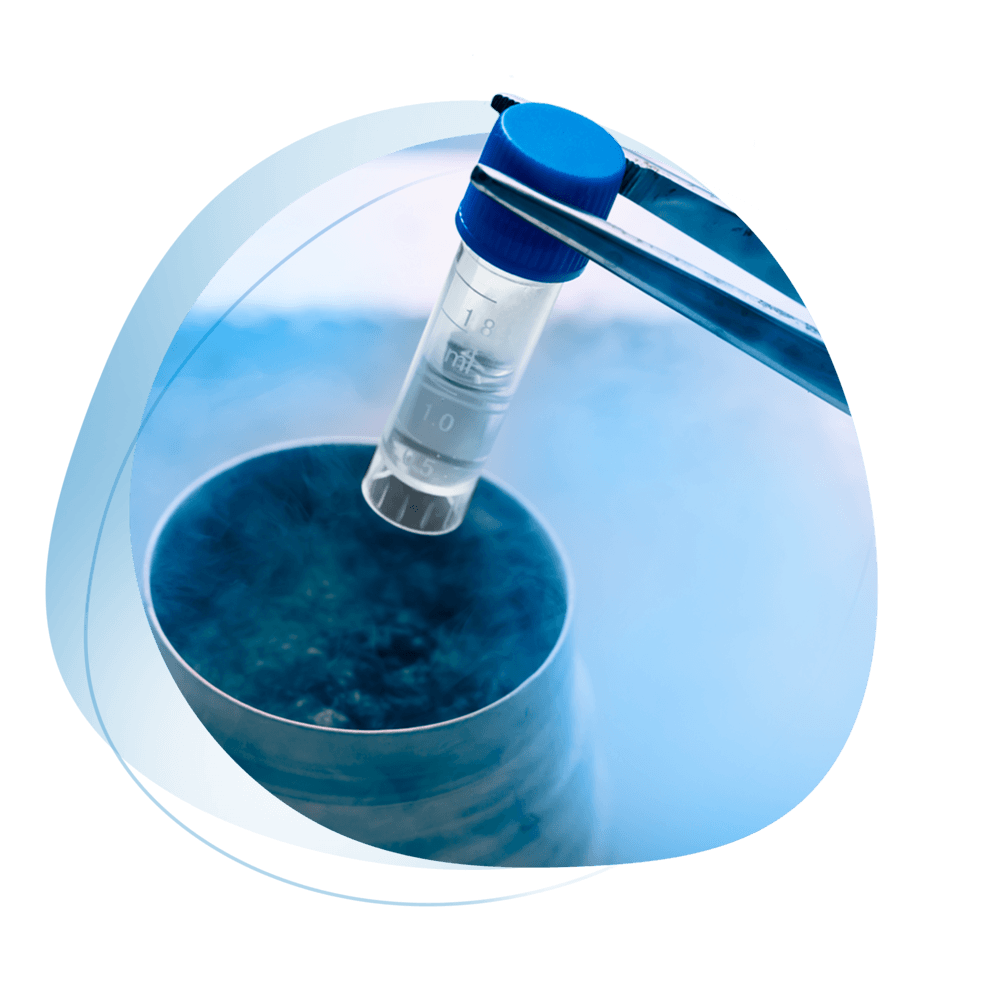
Intracytoplasmic Sperm Injection (ICSI) is an advanced fertility treatment used alongside IVF to assist fertilisation. During ICSI, a single healthy sperm is carefully injected directly into an egg in a laboratory, helping to improve the chances of fertilisation when certain fertility challenges are present.
ICSI is commonly recommended in cases of male factor infertility but may also be used in other situations where fertilisation is less likely to occur through conventional IVF.
ICSI is a specialised laboratory procedure performed as part of an IVF cycle. Unlike traditional IVF, where eggs and sperm are combined in a laboratory dish and fertilisation occurs naturally, ICSI involves injecting a single sperm directly into a mature egg.
Once fertilisation occurs, the resulting embryo develops in the laboratory before being transferred to the uterus as part of the IVF process.
ICSI has become a widely used fertility technique and has helped many individuals and couples achieve successful pregnancies when conventional fertilisation methods may be less effective.
As part of an IVF cycle, fertility medications are used to stimulate the ovaries before eggs are collected through an egg retrieval procedure.
02
Sample Collection
An embryologist carefully examines the sperm sample and selects an individual sperm that appears suitable for fertilisation.
03
Fertilisation
Using specialised laboratory equipment, the selected sperm is injected directly into the egg. This bypasses several barriers that sperm would normally need to overcome during natural fertilisation
04
Embryo Development
The fertilised eggs are monitored as they develop into embryos within the laboratory. Embryologists assess embryo growth and quality throughout this stage.
05
Embryo Transfer
Once the embryo reaches the appropriate developmental stage, it is transferred into the uterus as part of the IVF treatment cycle.
Potential Benefits of ICSI
ICSI can help overcome specific fertilisation barriers that may prevent sperm from successfully fertilising an egg on their own.Potential benefits may include:
Improved fertilisation rates in cases of male factor infertility
Fertilisation using surgically retrieved sperm
Reduced risk of failed fertilisation during IVF
Additional treatment options for previous unsuccessful IVF cycles
Your fertility specialist will determine whether these benefits apply to your individual circumstances.
Risks and Limitations
ICSI is generally considered safe and has been used successfully for many years. However, like all fertility treatments, there are important considerations.
Potential risks and limitations include:
Fertilisation is not guaranteed despite sperm injection
Not all fertilised eggs develop into healthy embryos
Pregnancy cannot be guaranteed
Risks associated with IVF treatment still apply
Additional laboratory procedures may increase treatment costs
Your fertility specialist will discuss the benefits and potential limitations of ICSI before treatment begins.
For some individuals, fertilisation may be difficult because sperm are unable to reach or penetrate the egg on their own.
By directly injecting a sperm into the egg, ICSI can help overcome certain fertilisation barriers and increase the likelihood that fertilisation will occur.
While ICSI can improve fertilisation rates in appropriate cases, it does not guarantee embryo development, implantation, or pregnancy. Success depends on several factors, including egg quality, sperm quality, embryo development, and overall reproductive health.
What is ICSI, and who is it for?
ICSI is an alternative way to IVF of achieving egg fertilisation. It is offered to patients with a male factor subfertility diagnosis or to those who have had previous poor or failed fertilisation with IVF. It can be used to overcome issues of sperm quantity and quality.
How does ICSI work?
Within ICSI, an individual sperm is identified under the microscope and directly injected into each mature egg by a clinical embryologist. When eggs are collected, they are surrounded by a cloud of cells (cumulus cells) which help to nourish and mature the egg. These cells are removed before the ICSI process to aid in the visualisation of the egg and assessment of maturity. Only mature eggs can be injected. After fertilisation, the next stages of treatment are the same as within IVF treatment, where embryos will be cultured in the laboratory and transferred into the patient’s uterus up to five days after the egg collection.
Why is ICSI important?
ICSI can help patients with reduced semen parameters have biological children and this was not possible before. It can also be used to achieve fertilisation in cases where previous IVF has been unsuccessful. Sometimes, when using frozen sperm, it is necessary to do ICSI if the sperm parameters after thawing require it even if the sperm was normal before freezing.
When is ICSI recommended?
ICSI (Intracytoplasmic Sperm Injection) is a specialised assisted reproductive technology used in cases of male infertility or when conventional IVF techniques have not been successful.
Comparing ICSI and IVF
Fertilisation rates following ICSI are similar to IVF. Similarly pregnancy and live birth rates do not differ between the two.
How successful is ICSI?
At Bridge Clinic London we pride ourselves in having a multidisciplinary team that is committed to helping you achieve your dreams of starting a family. We will give you all the support that you need at every stage of your journey. The treatment you receive will always be designed around your individual needs.
Success rates with ICSI very much depend on the age to the woman whose eggs are collected. It is important to remember that success rates can have their limitations when you compare them with your own experiences or diagnosis.
In conventional IVF, eggs and sperm are combined in a laboratory dish and fertilisation occurs naturally. With ICSI, a single sperm is injected directly into an egg by an embryologist.
Does ICSI improve pregnancy rates?
ICSI can improve fertilisation rates in cases where sperm-related fertility issues are present. However, fertilisation is only one step in the process, and pregnancy outcomes depend on many additional factors.
Is ICSI only used for male infertility?
No. Although ICSI is commonly used for male factor infertility, it may also be recommended following previous fertilisation failure or in other circumstances where fertilisation may be challenging.
Is ICSI performed during every IVF cycle?
Not necessarily. Some patients undergo conventional IVF, while others may benefit from ICSI based on their fertility diagnosis and treatment history.
Does ICSI increase the chance of having a healthy baby?
ICSI is designed to improve fertilisation in specific situations where sperm may have difficulty fertilising an egg naturally. While it can increase the likelihood of fertilisation, healthy embryo development and pregnancy outcomes continue to depend on many factors, including egg quality, sperm quality, and overall reproductive health.
ICSI has helped many individuals and couples overcome fertilisation challenges and move forward on their fertility journey. By combining advanced laboratory techniques with personalised fertility care, ICSI can provide an additional option for those experiencing difficulties conceiving.
Contact The Bridge Fertility today to learn more about ICSI and whether it may be appropriate for your fertility treatment plan.