What Are the Risks of ICSI?
ICSI Risks Explained: What Patients Should Know Before Treatment
ICSI is a widely used and generally safe procedure within IVF, but like any medical treatment, it does carry some risks. Most risks are low and uncommon, especially when the procedure is performed by experienced specialists. Understanding these risks can help you make informed decisions and feel more prepared for treatment.
Key Takeaways
- ICSI is considered safe but not completely risk-free
- Most risks are rare and occur at low rates
- Risks can relate to fertilisation, embryo development, or genetics
- The procedure requires high levels of laboratory expertise
- A personalised consultation helps assess individual risk
Starting With Your Question and What It Really Means
If you are considering IVF with ICSI, it is completely natural to ask about the risks involved. This question often comes from a desire to make the safest and most informed decision possible.
You may be weighing the benefits of improving fertilisation against any potential concerns. It is also common to come across mixed information online, which can make it harder to know what to expect.
Having clear, balanced information about the risks of ICSI can help you feel more confident and in control of your treatment choices.
What Is ICSI and Why Risks Are Considered?
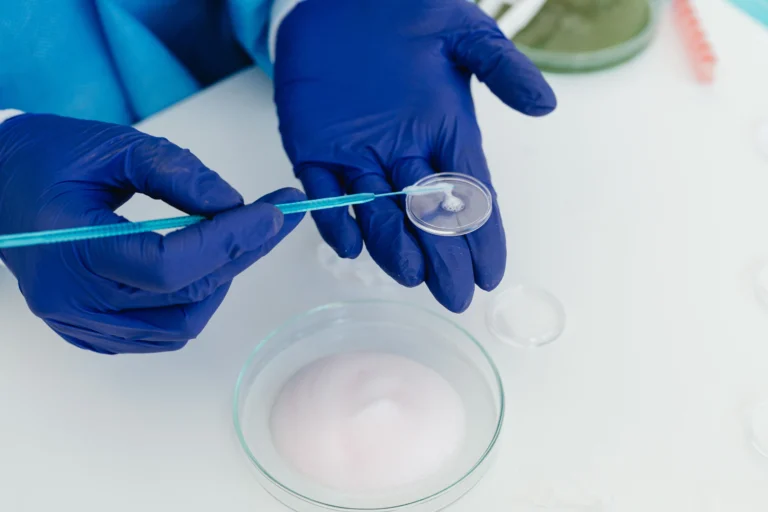
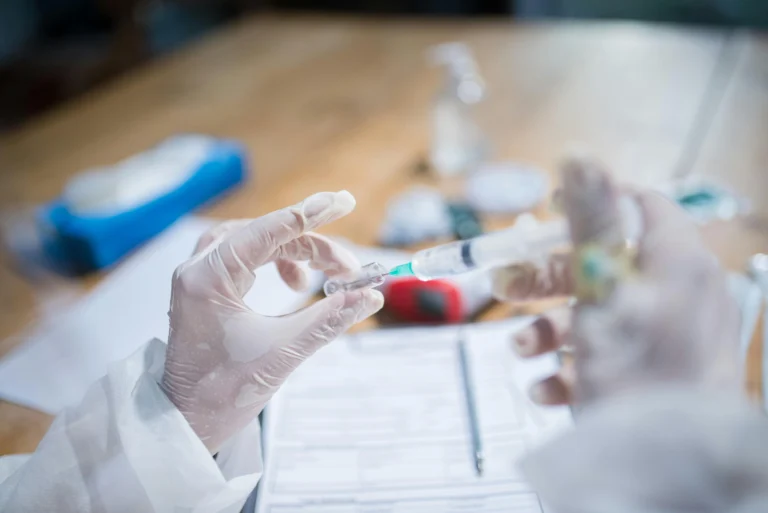
ICSI is a technique where a single sperm is injected directly into an egg to assist fertilisation.
Why risks are discussed
- It involves direct manipulation of the egg
- It bypasses natural sperm selection
- It is used in specific clinical situations
What this means
Although the procedure is routine in fertility clinics, careful consideration is still important.
Are There Risks With the ICSI Procedure Itself?
The procedure itself is highly controlled and generally safe.
Possible procedural risks
- Minor damage to the egg during injection
- Some eggs may not survive the process
- Fertilisation may still not occur
What this means
These risks are relatively low but are part of the normal variability of IVF treatment.
Risks Related to Fertilisation and Embryo Development
ICSI is designed to improve fertilisation, but outcomes can vary.
Potential issues
- Failed fertilisation
- Abnormal fertilisation
- Slower or uneven embryo development
What this means
Not all fertilised eggs will develop into viable embryos, regardless of technique.
Are There Genetic Risks With ICSI?
One of the most discussed areas is the potential for genetic risks.
Why this is considered
- ICSI bypasses natural sperm selection
- Some underlying male fertility issues may have genetic causes
What research suggests
- The overall risk remains low
- Most babies born through ICSI are healthy
- In some cases, genetic conditions may be passed on
What this means
Specialist advice and, in some cases, genetic testing may be recommended.
Risks Associated With Male Factor Infertility
ICSI is often used when there are sperm-related concerns.
Why this matters
- Some sperm issues may have genetic links
- These may be passed to future children
What this means
Your care team may recommend further testing before treatment.
Are There Risks to the Mother?
ICSI itself does not directly increase risks to the mother beyond standard IVF.
Related considerations
- Risks are more commonly linked to IVF treatment overall
- Ovarian stimulation and egg collection carry their own risks
What this means
ICSI does not significantly add to maternal risk compared to IVF alone.
Are There Risks to the Baby?
Many patients are concerned about long-term outcomes for children born through ICSI.
What studies show
- Most children born through ICSI are healthy
- There may be a slightly increased risk of certain conditions
- The overall risk remains low
What this means
The likelihood of having a healthy baby is still very high.
How Common Are ICSI Risks?
Understanding how often risks occur can provide reassurance.
General perspective
- Most risks are rare
- Serious complications are uncommon
- Millions of ICSI procedures have been performed worldwide
What this means
ICSI is a well-established and widely trusted technique.
Emotional Considerations Around Risk
Thinking about risks can feel overwhelming, especially when you are already navigating fertility challenges. It is natural to focus on what could go wrong, even when the likelihood is low.
Balancing hope with realistic expectations can be difficult. You may find it helpful to discuss your concerns openly with your care team and ask questions about anything that feels unclear.
Having accurate information and support can help you feel more reassured and confident in your decisions.
When Should You Discuss Risks With a Specialist?
It is important to have a detailed discussion about risks before starting treatment.
Consider asking about
- Your individual risk factors
- Whether genetic testing is recommended
- How risks apply to your specific situation
- Success rates alongside potential risks
What this means
A personalised approach ensures you receive advice tailored to your needs.
Common Myths About ICSI Risks
Myth 1: ICSI is unsafe
ICSI is considered a safe and routine procedure with low risk.
Myth 2: All babies born through ICSI have health issues
Most babies born through ICSI are healthy.
Myth 3: ICSI greatly increases genetic risk
Any increase in risk is small and often linked to underlying conditions.
What This Means for Your Fertility Journey?
ICSI is a well-established and generally safe technique that has helped many patients achieve successful fertilisation. While there are some risks to consider, they are typically low and manageable with the right care and expertise.
Understanding both the benefits and risks allows you to make informed decisions that feel right for you. With accurate information and professional guidance, you can approach treatment with greater confidence.
FAQs
Is ICSI a safe procedure?
ICSI is generally considered safe and is widely used in fertility treatment. Most risks are rare and occur at low rates. Clinics follow strict protocols to minimise complications.
Can ICSI damage the egg?
There is a small risk that the egg may be damaged during injection. However, this is uncommon when performed by experienced embryologists. Most eggs tolerate the procedure well.
Are there long-term risks for babies born through ICSI?
Most children born through ICSI are healthy. Some studies suggest a slightly increased risk of certain conditions, but overall risk remains low. Your specialist can provide more detailed guidance.
Does ICSI increase the risk of genetic conditions?
There may be a small increase in risk, particularly if male infertility has a genetic cause. In some cases, genetic testing may be recommended. This helps assess and manage potential risks.
Should I be worried about ICSI risks?
It is normal to have concerns, but most risks are low. ICSI has been used successfully for many years worldwide. A specialist can help you understand your individual risk profile.
You Do Not Have to Navigate This Alone
If you have concerns about the risks of ICSI, speaking with a specialist can provide clarity and reassurance. A personalised consultation allows you to explore your options and understand what treatment may involve for you.
Bridge Fertility London offers expert, compassionate care tailored to your individual needs. The team is here to support you at every stage with transparency and understanding. When you feel ready, you can book a consultation to take the next step.
Follow us on our social media channels below:
Explore our related articles below: