What Is PRP Treatment in IVF
What Is PRP Treatment in IVF and How Does It Work?
Have you come across PRP treatment while researching IVF and wondered whether it could improve your chances of success? Many people exploring fertility treatment are interested in new medical approaches that may support their journey, but it can be difficult to separate emerging treatments from proven therapies. If you have been searching for What Is PRP Treatment in IVF, understanding the current evidence is essential before making any decisions. At Bridge Fertility London, we believe patients deserve clear, honest, and evidence-based information about every treatment option. While PRP has attracted growing interest in fertility medicine, it is not considered a standard treatment for everyone, and research is still developing. Whether you are comparing clinics or looking for a trusted Fertility Clinic Edinburgh, this guide explains how PRP works, who it may help, and what current studies tell us.
What Is PRP Treatment in IVF?
PRP stands for Platelet-Rich Plasma, a concentrated portion of your own blood that contains a high number of platelets and naturally occurring growth factors. To prepare PRP, a small sample of blood is taken and processed in a specialised centrifuge that separates and concentrates the platelets before they are used in treatment. In fertility medicine, PRP has been investigated as a potential option for selected patients, particularly for ovarian rejuvenation or improving the uterine lining in certain circumstances. Although early research has shown promising results in some studies, the evidence remains limited, and PRP is still considered an emerging treatment rather than a routine part of IVF. It is not suitable for everyone, and there is currently no guarantee that it will improve fertility outcomes. At Bridge Fertility London, we carefully assess each patient’s medical history and fertility diagnosis before discussing whether advanced treatments such as PRP may be appropriate. Decisions should always be based on evidence, realistic expectations, and personalised medical advice rather than hope alone.
Who May Be Suitable for PRP Treatment?
Because PRP is still being studied, it is generally considered only after a detailed assessment by a fertility specialist.
It is not recommended for every patient undergoing IVF.
Some individuals who may be considered for PRP include:
Women with Reduced Ovarian Reserve
Some research has explored whether PRP may help stimulate ovarian function in women with a reduced number of available eggs. However, results remain mixed, and further studies are needed.
Patients with a Thin Endometrium
PRP has also been investigated as a possible treatment for women whose uterine lining does not respond adequately before embryo transfer.
Recurrent Implantation Concerns
In selected cases, fertility specialists may discuss PRP when implantation has repeatedly been unsuccessful despite previous IVF treatment.
Individual Assessment Is Essential
Every fertility diagnosis is different. Factors such as age, hormone levels, ovarian reserve, medical history, and previous treatment outcomes all influence whether PRP may be considered.
Because evidence is still evolving, PRP should always be discussed alongside other evidence-based fertility treatment options.
Is PRP Proven to Improve IVF Success?
One of the biggest questions patients ask is whether PRP definitely improves IVF success rates.
At present, the answer is not yet.
Several early studies have suggested that PRP may improve certain fertility outcomes for carefully selected patients.
Researchers have explored possible improvements in:
- Endometrial thickness.
- Ovarian response.
- Egg development.
- Implantation potential.
However, many published studies involve relatively small numbers of patients, and researchers agree that larger, high-quality clinical trials are still required.
For this reason, PRP has not become a routine part of standard IVF treatment in the UK.
Patients considering PRP should understand that:
- Research continues to develop.
- Benefits cannot be guaranteed.
- Treatment suitability varies.
- Personalised medical advice remains essential.
At Bridge Fertility London, we believe patients should receive balanced information about both the potential benefits and current limitations of emerging fertility treatments.
What Happens During a PRP Procedure?
Understanding the treatment process can help patients feel more comfortable if PRP is being considered.
Blood Collection
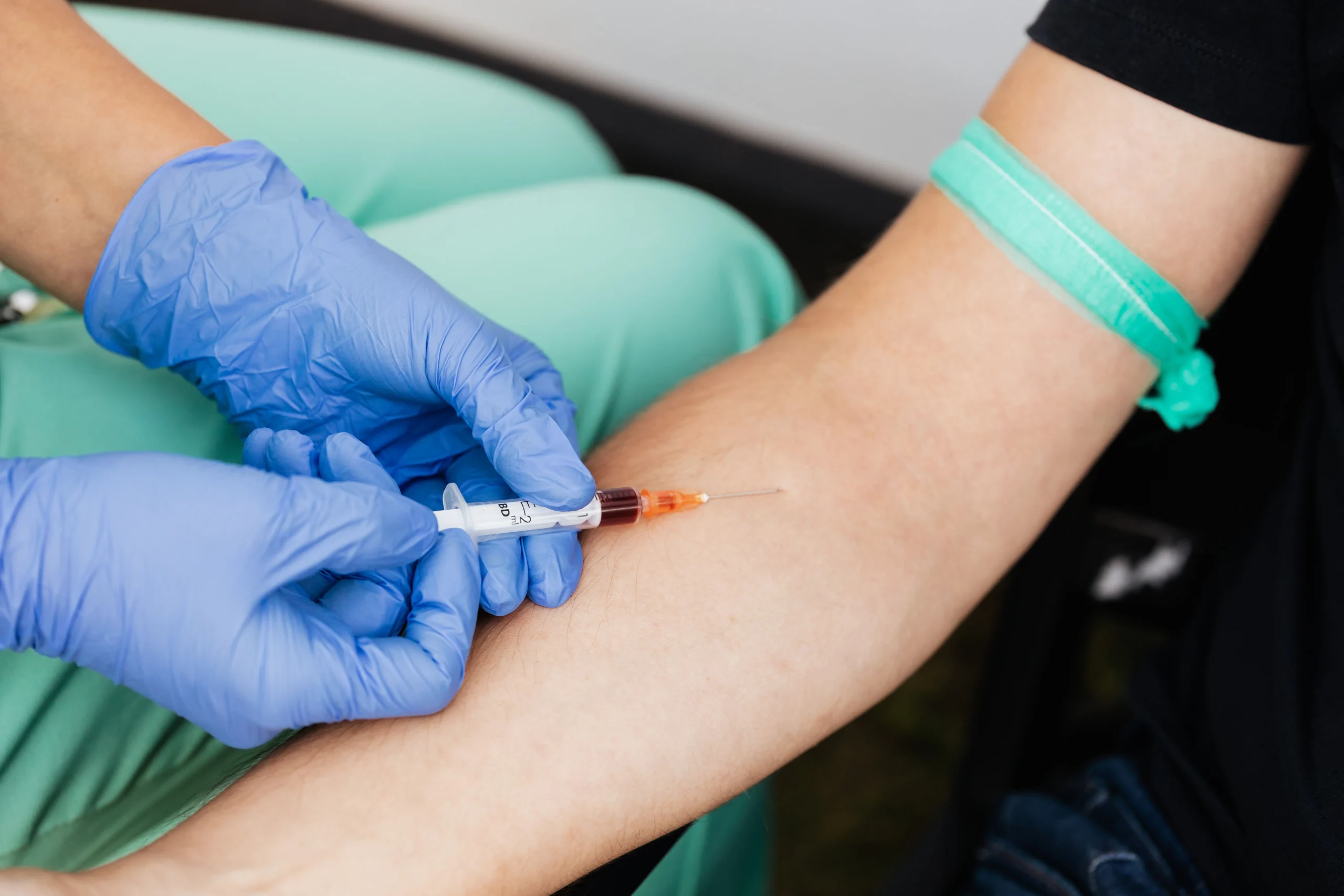
A small sample of your own blood is collected, similar to a routine blood test.
Laboratory Preparation
The blood sample is placed into a specialised centrifuge that spins the blood to separate and concentrate the platelet-rich plasma.
Preparing the PRP
Once concentrated, the platelet-rich plasma is collected under carefully controlled conditions.
Ultrasound-Guided Treatment
Depending on the reason for treatment, the PRP may be introduced using an ultrasound-guided procedure performed by an experienced fertility specialist.
Recovery
Most patients can return home shortly after the procedure. Recovery is generally straightforward, although your fertility specialist will provide personalised aftercare advice.
What Are the Benefits and Limitations of PRP?
Like many emerging fertility treatments, PRP has generated interest because of its potential to support certain aspects of reproductive health. However, it is important to understand both its possible advantages and its current limitations before deciding whether it may be appropriate for you.
Potential Benefits
Although research is still evolving, PRP offers several features that make it an area of ongoing interest in fertility medicine.
Uses Your Own Blood
One of the main characteristics of PRP is that it is prepared using your own blood. This means the platelet-rich plasma comes from your body, reducing concerns associated with using donor materials.
Minimally Invasive Procedure
PRP treatment is generally considered minimally invasive. Blood collection is similar to a standard blood test, and the fertility procedure itself is usually performed using ultrasound guidance where appropriate.
Emerging Research
Early studies have explored whether PRP may help selected patients with reduced ovarian reserve or a thin endometrial lining. While some findings have been encouraging, further research is needed before firm conclusions can be made.
Current Limitations
It is equally important to understand that PRP is not a proven solution for every fertility challenge.
Limited Scientific Evidence
Although some research has shown promising results, many studies involve relatively small groups of patients. Larger clinical trials are still needed to determine how effective PRP may be for different fertility conditions.
Not Suitable for Everyone
PRP is only considered appropriate for selected patients after careful assessment by a fertility specialist. It is not routinely recommended for all individuals undergoing IVF.
No Guarantee of Success
Like all fertility treatments, PRP cannot guarantee pregnancy or improve IVF success for every patient. Outcomes depend on many factors, including age, fertility diagnosis, egg quality, sperm quality, and overall reproductive health.
Availability May Vary
Because PRP remains an emerging treatment, it is not offered by every fertility clinic, and treatment protocols may differ depending on individual circumstances.
Understanding both the potential benefits and the current limitations allows patients to make informed decisions based on realistic expectations rather than hope alone.
Why Choose Bridge Fertility London
At Bridge Fertility London, we believe patients deserve honest, evidence-based advice about every fertility treatment, including newer approaches such as PRP. Our priority is to recommend treatments because they are appropriate for your individual circumstances, not simply because they are available.
From your first consultation, we take time to understand your medical history, fertility goals, and previous treatment experience before discussing the options that may be suitable for you. If emerging treatments such as PRP are being considered, we explain the current research, potential benefits, and known limitations so you can make an informed decision with confidence.
Patients choose Bridge Fertility London because we provide:
- Personalised fertility treatment plans.
- Experienced fertility consultants and specialist nurses.
- Evidence-based recommendations supported by current research.
- Advanced reproductive technology and modern laboratory facilities.
- Honest communication about treatment options.
- Compassionate support throughout every stage of care.
- A patient-centred approach focused on informed decision-making.
Many individuals and couples researching a Fertility Clinic Edinburgh choose Bridge Fertility London because they value experienced specialists, transparent guidance, and personalised fertility care. Whether you are exploring standard IVF treatment or asking about advanced options such as PRP, our team is here to provide expert advice that is tailored to your individual needs.
Final Thoughts
PRP is an emerging area of reproductive medicine that has shown encouraging results in some early studies, but research is still developing, and it is not considered a standard IVF treatment for every patient. The decision to use PRP should always be based on a careful assessment by an experienced fertility specialist. Factors such as your medical history, fertility diagnosis, previous treatment outcomes, and current scientific evidence all play an important role in determining whether this treatment may be appropriate.
If you have been researching a Fertility Clinic Edinburgh, choosing a clinic that provides honest, evidence-based guidance alongside personalised fertility care can help you make informed decisions with confidence. At Bridge Fertility London, we are committed to helping every patient understand both established and emerging fertility treatments so you can choose the path that is right for you.
Explore Your Fertility Treatment Options
If you would like to learn more about PRP or discuss whether advanced fertility treatments may be suitable for your individual circumstances, book a consultation with Bridge Fertility London. Our experienced fertility specialists will explain your options clearly, answer your questions, and create a personalised treatment plan based on the latest clinical evidence and your unique fertility goals.
Follow us on our social media channels below:
Explore our related articles below: